
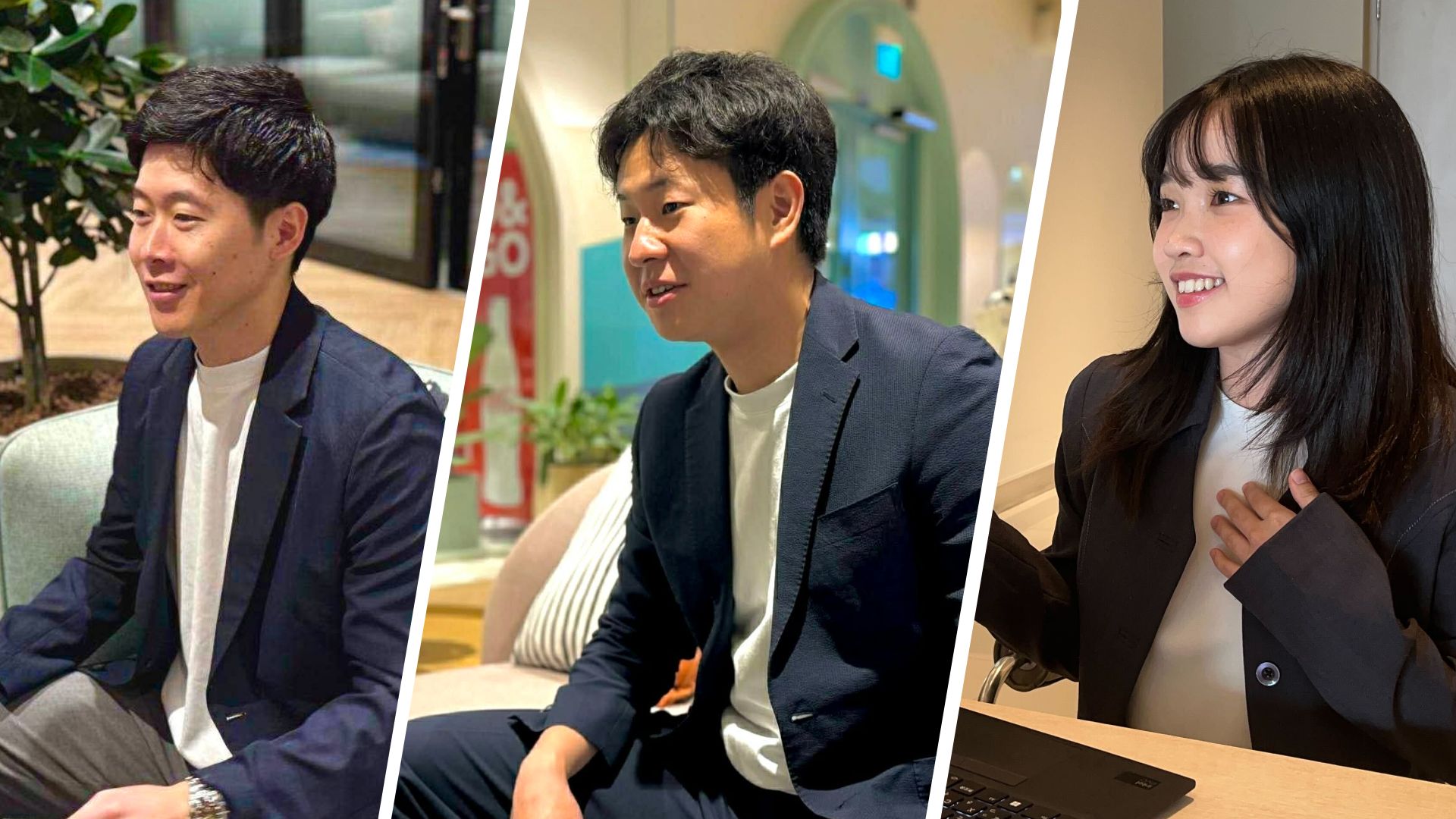
Bridging Strategy and Execution: SHAPE Global Partners to Drive Asian Growth through Hands-On Support
Corporate
Interview
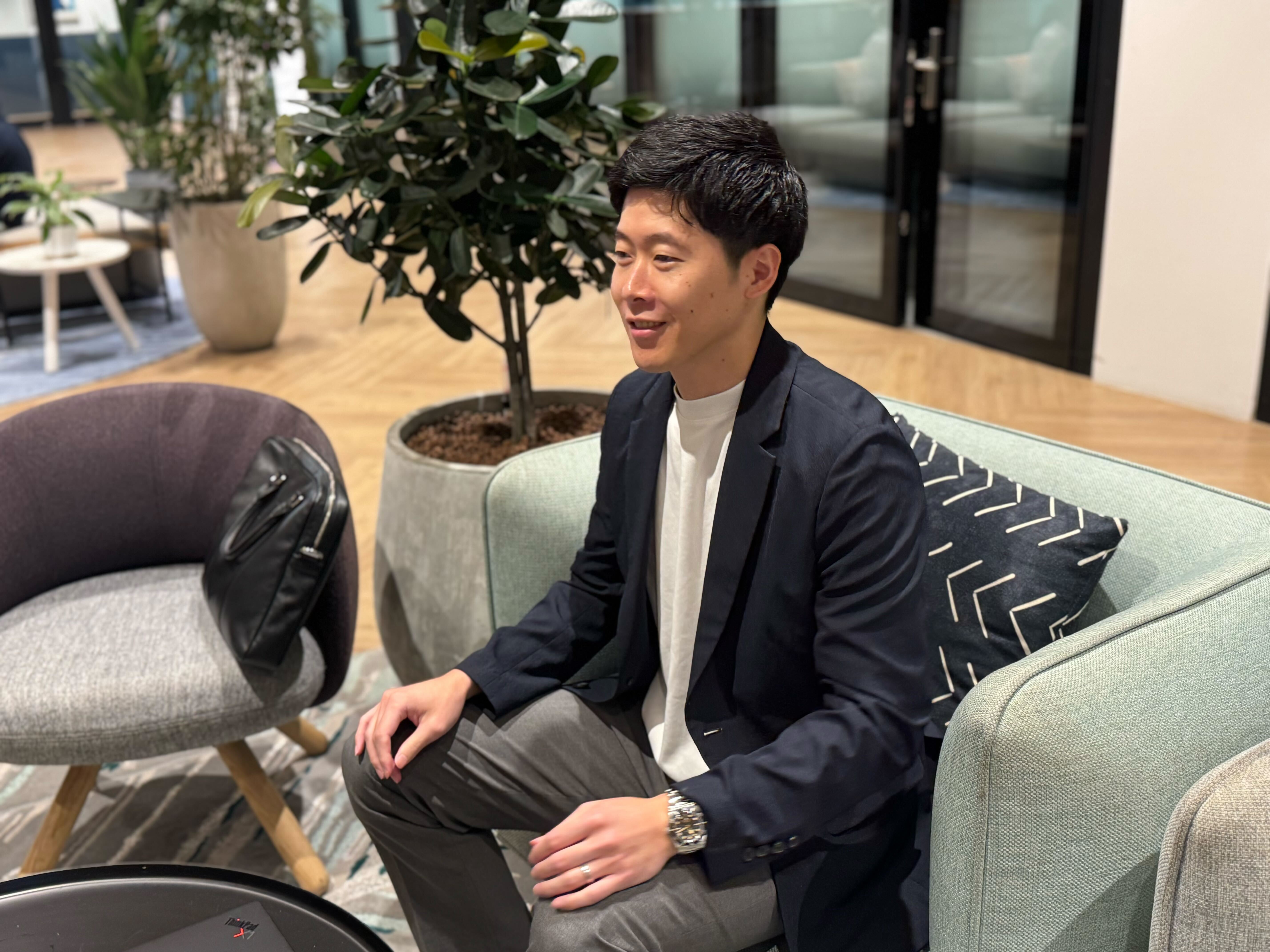
Eisuke Tanaka / Head of Singapore Office
Graduated from the Faculty of Economics at the University of Tokyo, studied at Stanford University and Nanjing University, and began his career at Boston Consulting Group, where he served as a Project Leader primarily on public sector engagements. His experience spans mid-term corporate planning, business and M&A strategy, human capital strategy, and digital transformation for a wide range of organizations including sovereign funds, entertainment companies, transportation, telecommunications, housing developers, and semiconductor firms. He joined SHAPE Partners in 2023, and in 2024 led the launch of the Singapore office, driving the firm’s expansion across Asia.
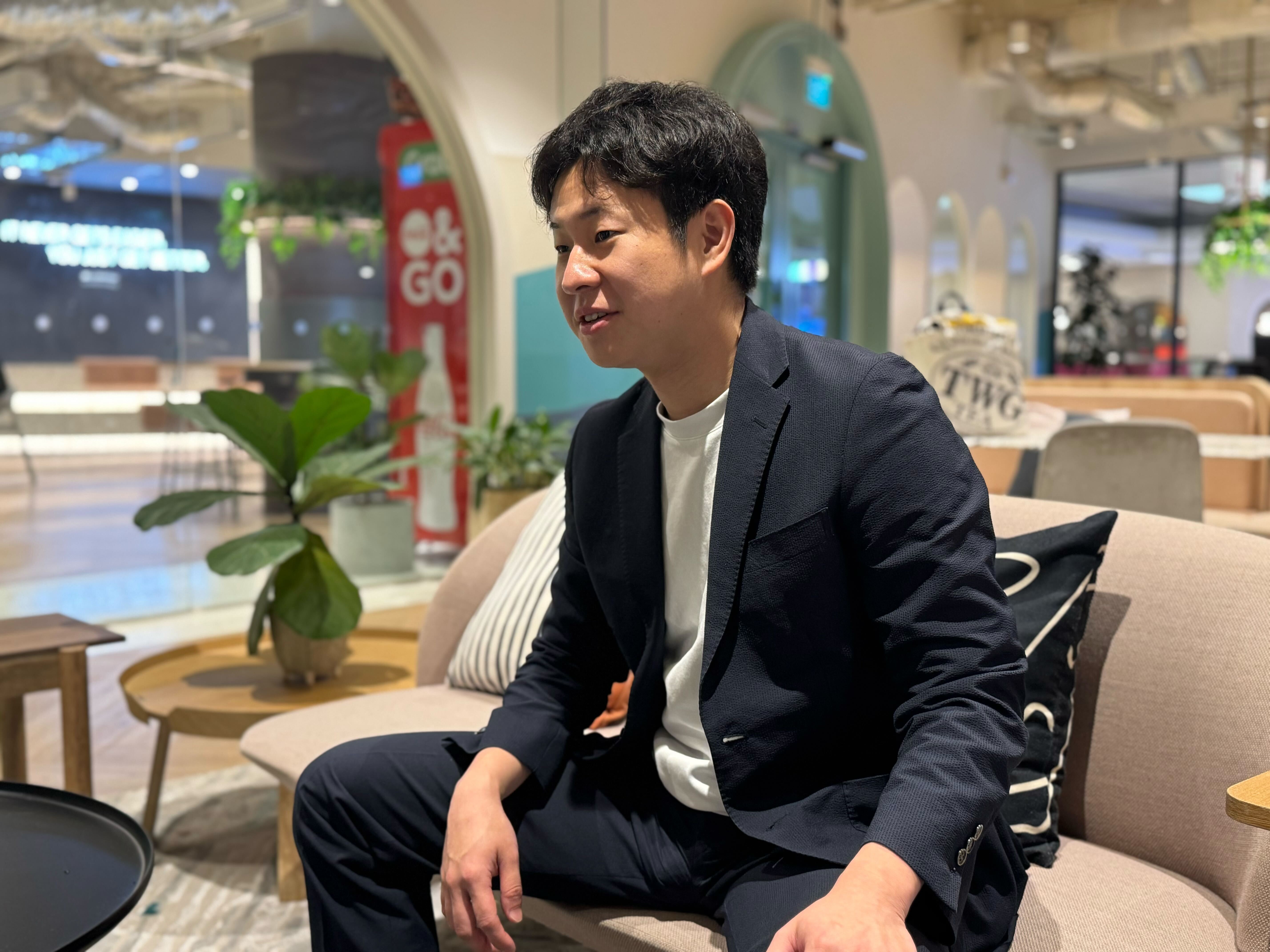
Ryoya Suzuki / Manager
Graduated from the Master of Science in Electrical Engineering of the Tokyo University of Science. After beginning his career at Deloitte Tohmatsu Consulting, he spent several years honing his expertise at multiple global and boutique strategic consulting firms before joining SHAPE Global Partners in 2025.Since relocating to Singapore in 2022, he has led numerous high-impact projects across the APAC region. His experience spans a diverse array of sectors, including government agencies, telecommunications, trading houses, IT, and manufacturing. He specializes in driving overseas business strategy, global market entry, new business development, and marketing strategy for both domestic and international organizations.
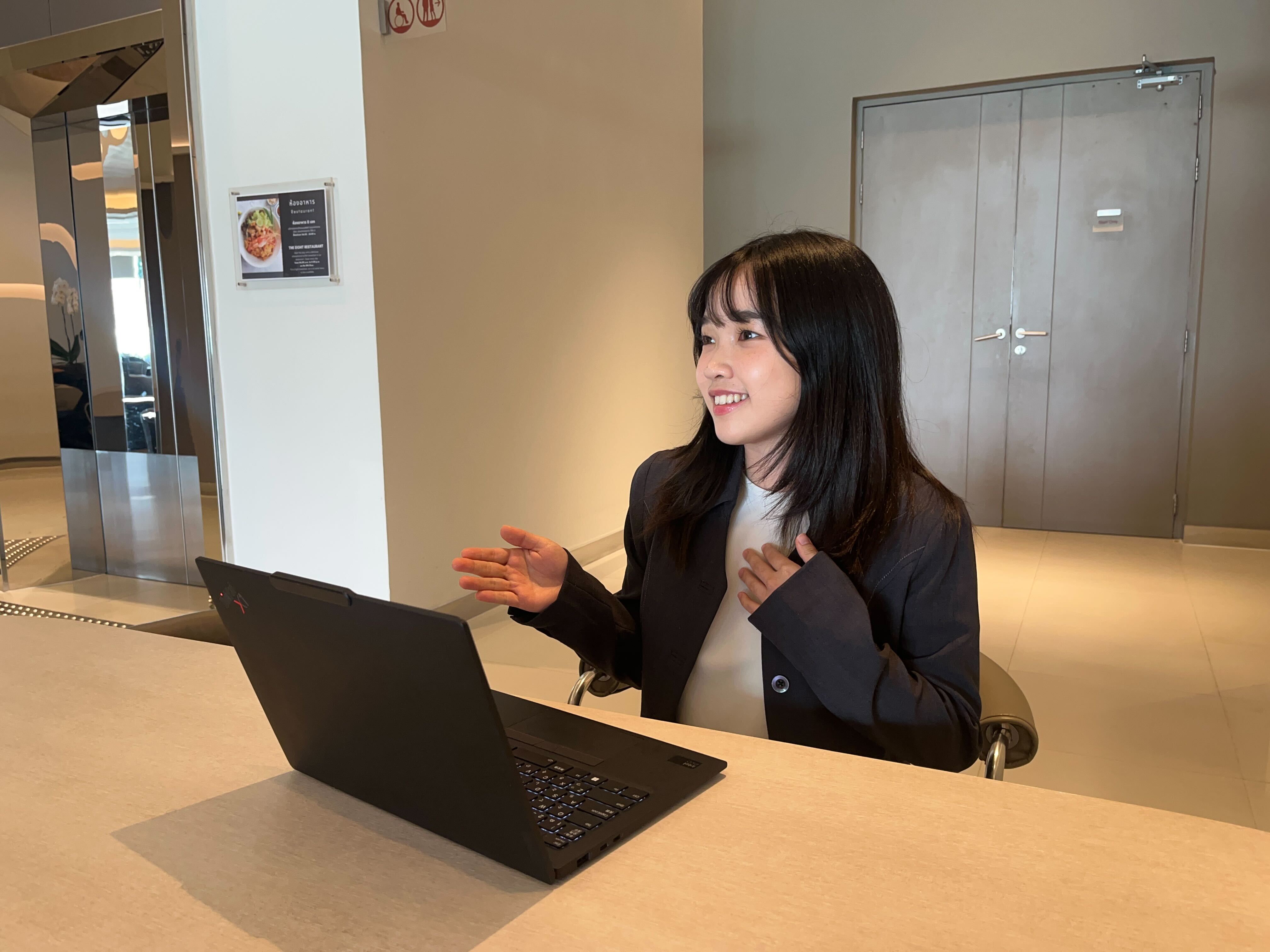
Marlenn Bunawan / Analyst
Originally from Indonesia, she graduated from Keio University as a Japanese government scholarship student and previously worked for a global food manufacturer. In that role, she was responsible for domestic sales in Japan, primarily serving supermarkets, convenience stores, and drugstores. While at university, she also taught English at language schools and nursery schools. She is trilingual in Indonesian, English, and Japanese.
While a growing number of Japanese enterprises are eyeing Southeast Asia as a vital frontier, the market remains underserved by consultancies capable of delivering seamless, end-to-end support. Too often, meticulously crafted strategies stall at the border—stifled by idiosyncratic local business customs, cultural nuances, and inaccessible networks.
SHAPE Global Partners, the international arm of SHAPE Partners, was established to disrupt this status quo. Headquartered in Singapore, the firm operates with a singular mission: to bridge the gap between high-level strategy and ground-level execution, directly fueling the region’s growth. We sat down with the team at SHAPE Global Partners to discuss the vision behind their integrated approach to navigating the complexities of Japanese-ASEAN cross-border expansion.
Elevating Asia’s Global Standing: A Six-Month Sprint to Market Entry
―― Let’s start with Tanaka-san. I’ve heard that SHAPE Global Partners began with your own personal aspiration. What drew you so strongly to Asia, and what inspired you to take the leap and start an office abroad?
Tanaka: I grew up in Japan, and during my formative years, I attended an all-boys junior and senior high school. It was a very monolithic environment—everyone wore the same uniform and followed the same path. I felt a certain sense of suffocation there. However, in my first year of high school, I had the opportunity to go on a three-month exchange program to the U.S. That experience became my "origin story."
While it was a stable environment, I often found myself wishing for a bit more room to breathe and express my individuality. in my first year of high schoo, I had the chance to go on a three-month exchange program to the U.S., and that really changed how I saw the world.
In America, I loved the idea that "because everyone is different, you have the freedom to live in a way that feels true to you." It was a mindset that felt very natural to me. I appreciated that culture of respecting the individual so much that I really wanted to stay. But since it was a short program, I returned to Japan to finish my studies.
However, that experience stayed with me. During university, I wanted to learn about cultures beyond just the U.S., so I backpacked through nearly 70 countries. Through all those travels, I found that I felt most at home in Asia. There was a sense of comfort in being among people with similar values—a shared culture of mutual respect that felt very familiar.
Yet, along with this connection to Asia, I noticed that Asia’s influence on the global stage didn't always feel as strong as it could be. Even though Asia’s economic presence is growing, I felt that our cultural contributions—like sports and entertainment—weren't always given the same level of recognition.
This realization gave me a new purpose. I wanted to elevate Asia’s global presence to a point where the West has no choice but to acknowledge its brilliance. I wanted to hear the world say, "Asia is incredible."
―― Was your decision to join BCG (Boston Consulting Group) after graduation a step toward realizing that dream?
Tanaka: Yes, exactly. I chose a strategic consulting firm because I wanted to develop the skills to be helpful to Japan and Asia while becoming self-reliant in my 20s. I looked at different paths, but I felt that consulting would give me the most versatile tools to navigate any situation with confidence.
My tenure at BCG was invaluable, and I remain profoundly grateful for the environment there. I rose through the ranks to Project Leader, finding the work both intellectually stimulating and rewarding. Yet, during a period of reflection on my long-term career, I found myself returning to my origins. The desire to immerse myself in projects across Asia—the very passion that defined my youth—had grown too significant to ignore.
It was this realization that led me to SHAPE, a firm built on a "member-first" ethos that prioritizes individual aspiration. In such an environment, the question "What do you want to build?" is part of the daily dialogue. The catalyst for our international expansion happened quite casually, over dinner with our CEO, Fujikuma-san, and COO, Komamiya-san. When they asked what I wanted to pursue, I voiced my ambition to establish an overseas hub. Their response was immediate: "Sounds good. Go for it."
Seizing that momentum, I formally declared the launch on Slack that very night on my way home, followed by an in-person commitment the next morning. Within 24 hours, I had finalized Singapore as our destination and initiated contact with local agents. While this sprint was a demonstration of my own resolve, it was only possible because SHAPE operates on a foundation of radical trust: once you have proven your professional mettle, the firm cedes full authority to you. Six months later, SHAPE Global Partners was operational in Singapore.
―― That is an incredible start! Suzuki-san and Marlenn-san, what was it that inspired you to join this journey?
Suzuki: I joined in December 2025. I actually spent about ten years of my childhood in the Philippines and Singapore, so I grew up with a great deal of pride in the prestige of the "Japanese brand" and the respect our predecessors built here. When I was looking for my first job, I originally set my sights on global trading houses to work on a world stage. However, an internship at a consulting firm in Manila changed my path. I saw Japanese consultants working with so much heart and passion to help businesses succeed abroad. They were doing exactly what I dreamed of doing—making a real impact globally. That was the moment I truly became interested in the consulting world.
I eventually gained experience at major firms in Japan before moving back to Singapore, where I spent three years at both Japanese and international firms supporting overseas expansion. However, I sometimes felt a bit of a disconnect. In very large organizations, you sometimes meet people who are there because they were assigned to the role, rather than because they have a genuine heart for the region or the projects. I often felt that the internal focus on "meeting targets" came at the expense of a real connection to the work. I was looking for a place where my passion for Asia matched the company's goals, and that’s when I met Tanaka-san. Even though it was our first meeting, I had heard through a mutual friend at SHAPE in Japan that this was a place that values purpose and passion above all else. That gave me a real sense of peace. Ultimately, I was moved by Tanaka-san’s vision to elevate Asia’s presence, and I was excited by the chance to build a business from the ground up.
Marlenn: I started my career at a korean food company, but I really wanted to leverage my strengths in English and Indonesian to contribute more directly to Asia’s growth. When I joined, Tanaka-san was still working on his own, and I felt that "this is a place where I can truly make a difference."
My friends at larger firms often say that as a junior member, you don't get much of a chance to shape a project; you mostly follow a plan that’s been handed down to you. But at SHAPE Global Partners, even as an analyst, I’m involved in everything from the very beginning. For example, when we think about how to connect a Japanese company with an Indonesian one, I’m at the table helping to decide which companies to approach. Being a primary part of the project from day one is incredibly rewarding. It feels like we are growing together.
Running Alongside Our Clients: Combining the Power of Agility with a "First-Hand Feel"
―― What would you say are the core strengths of SHAPE Global Partners?
Tanaka: Currently, when Japanese companies look to expand into ASEAN, their choices often feel quite polarized. They can either turn to "Big Firms" for high-level strategy at a very high cost, or work with "Vendors" who handle only specific tasks like research or local execution. The challenge is that while large firms provide brilliant strategies, the cost is significant; on the other hand, focusing only on spot support through vendors can leave you without the comprehensive, end-to-end guidance needed to truly succeed.
What we want to achieve is to be in the same boat as our clients. Our goal isn't just to write a strategy and leave, nor is it to simply provide one-off support. We want to work together through every step, from the initial vision all the way to making it happen on the ground.
Because we have only recently established our own legal entity in Singapore, we understand the hurdles and the small, daily challenges of setting up a business firsthand. This allows us to truly empathize and look at problems from the same perspective as our clients. Since many expats stationed abroad often feel a sense of isolation or uncertainty, we believe that being a partner who understands those feelings and offers practical, heart-centered solutions is exactly what clients are looking for today. This peer-to-peer support style is a model that SHAPE in Japan has seen great success with in Japan, and I am confident it is just as meaningful here in Asia.
Suzuki: In addition to this hands-on model, our speed is a major strength. In larger global firms, a significant amount of time is often used for internal coordination between different country offices and departments. These long approval processes can make it difficult to keep up with the fast-moving pace of a project, and sometimes, valuable opportunities can be missed as a result.
By contrast, both at SHAPE in Japan and at SHAPE Global Partners, we trust our members with a high degree of individual discretion. This means if we hear about a challenge yesterday, we can propose a path forward today and move into execution by the following week. This remarkable speed is a hallmark of our team. We also offer flexible support models—such as providing long-term accompaniment through weekly meetings rather than just short-term, intensive projects—which is a level of flexibility that larger firms often find difficult to match.
Marlenn: From an organizational standpoint, I believe it is quite special that we have welcomed local team members like myself as full colleagues from our very first days. At SHAPE Global Partners, we value a "first-hand feel" for local culture and relationships, rather than just treating someone as a translator or a researcher. For instance, when we build a list of potential partners, many firms might look only at the data. But here, I am often asked for my perspective as someone who grew up in the region—knowing, for example, which brands have been truly loved by the local people for generations. Having that "consumer’s heart" respected is a big part of what makes our work unique.
Tanaka: Clients always look to us and ask, "Do you really understand about ASEAN?" That’s why we place such high value on the lived intuition Marlenn-san mentioned. To keep our understanding fresh, we make a point to travel throughout Southeast Asia constantly, whether it is for work or on the weekend. We don't just visit the nice restaurants or hotels; we often stay in very local neighborhoods. By experiencing the many different ways people live, we can keep updating our own senses. We believe that by truly immersing ourselves in the local life, we can offer much more meaningful insights to our clients.
Suzuki: Another one of our strengths is how we build relationships that are unique to Asia. In the ASEAN region—particularly in places like Indonesia and Thailand—having a connection with local conglomerates and influential leaders is often the key to success. For a Japanese professional, it can be very difficult to enter those circles through a formal business route alone.
Tanaka: That’s where our "Asia Koshien" initiative makes such a difference. Through the shared joy of sports, we can meet leaders of these major conglomerates on a level playing field. When you connect not as "business suits" but as fellow sports fans, the quality of trust is completely different. These genuine relationships become a wonderful asset for our clients when they need to connect with the key people who truly move the region.
Beyond Consulting: Building the Future as a Hub for Asia
―― To conclude, could you share your goals for the organization and for yourselves personally?
Tanaka: For the organization, I want to work closely with SHAPE in Japan to increase the opportunities we have to support Japanese companies—both those already established in ASEAN and those planning to enter. Beyond that, I hope to grow our portfolio of original projects led right here in Singapore. Eventually, our goal is not only to support Japanese firms but also to help local ASEAN businesses as they enter the Japanese market or seek to revitalize their operations there.
Marlenn: My personal goal is to welcome more members from Southeast Asia. I grew up in Indonesia and moved to Japan for university; I believe that as we welcome members with such diverse backgrounds, our unique perspectives will blend together. This "synergy of uniqueness" is what will make our organization truly strong and vibrant.
Suzuki: I want to see SHAPE Global Partners become a true platform—a place where we can collaborate with local people who have a genuine interest in Japanese culture and businesses. At the same time, I want to be a partner for Japanese companies in Asia, so they can say, "Our competitiveness and presence grew because we worked with SHAPE Global Partners." By supporting the growth of Japanese businesses in this way, I believe we can indirectly enrich the lives of people in Asia—both economically and emotionally. I want to be a bridge that brings Asia and Japan closer together.
Tanaka: Personally, my ultimate goal is to "elevate Asia’s presence in the eyes of the world." The name SHAPE carries our desire to "shape the future," and I want us to be active in creating a global future that reflects the brilliance of this region.
Singapore is a hub where people from so many different countries come together. Because of this unique setting, I believe we can deepen the exchange between Japan and Asia and really push the entire region’s presence forward. While consulting is our foundation for now, I want us to keep challenging the traditional models. Whether that means building relationships where we can have daily discussions outside of high-cost packages, making investments like a VC, or co-creating entirely new business models using our local intuition—we will keep exploring. My hope is to create a world where the voice saying "Asia is amazing!" is heard loud and clear everywhere.
