
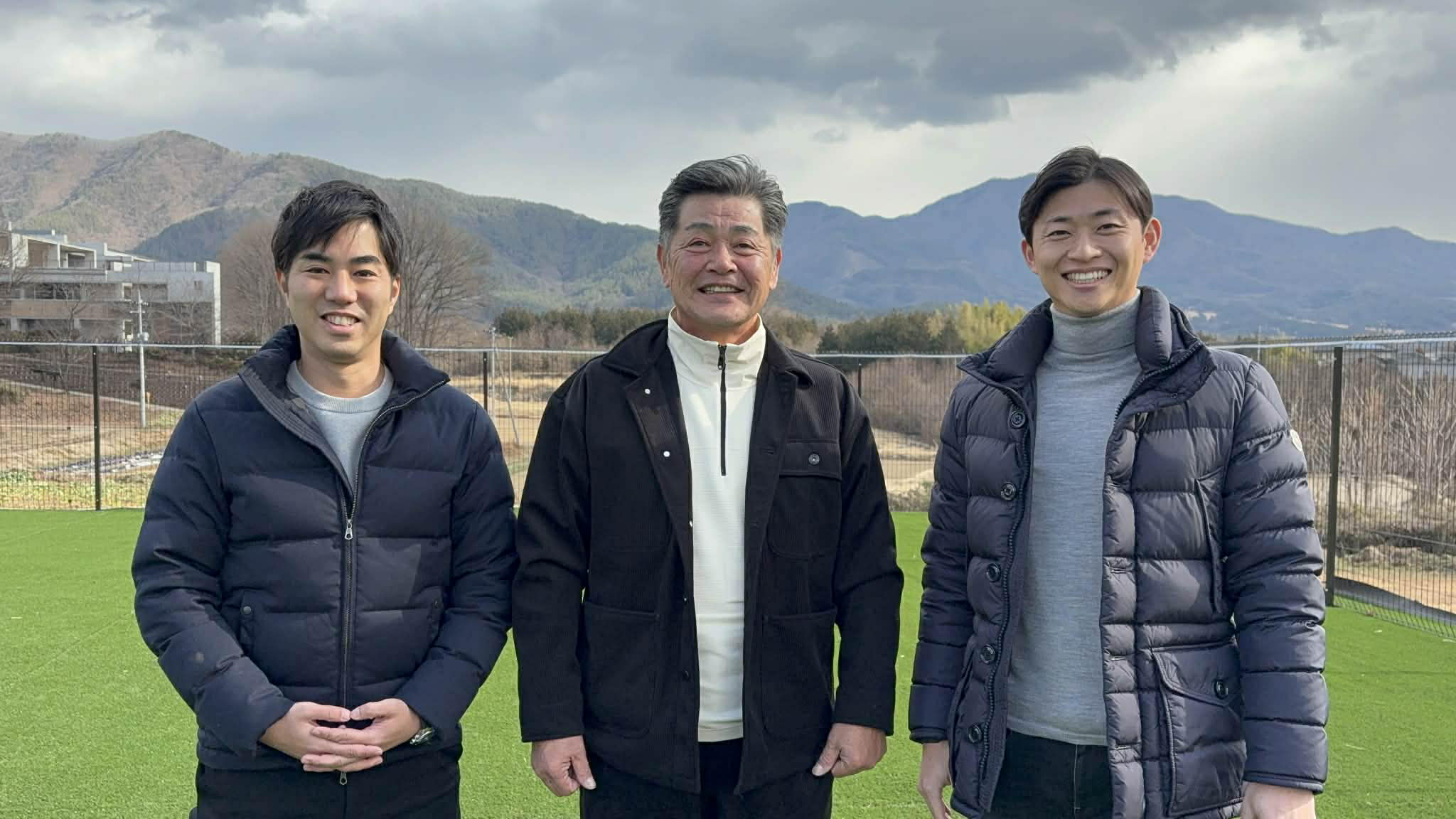
Kudo Kimiyasu x SHAPE Partners: Winning Maker and a Strategic Firm Uncover the Secrets of a “Winning Organization"
Sports
Interview
Kimiyasu Kudo / Advisor
After graduating from Nagoya Denki High School, now Aichi Institute of Technology Meiden High School, in 1982, Kudo joined Seibu Lions. He later played for teams including Fukuoka Daiei Hawks, Yomiuri Giants, and Yokohama BayStars. During his playing career, he contributed to 14 league championships and 11 Japan Series titles, earning a reputation as a championship-winning pitcher. Kudo played professionally for 29 seasons and officially announced his retirement in 2011. In 2015, he was appointed manager of Fukuoka SoftBank Hawks, leading the team to five Japan Series championships over seven seasons through 2021. His individual honors include two MVP awards, four ERA titles, and four winning percentage titles, with a total of 224 career wins. He received the Shoriki Matsutaro Award five times, tying the all-time record, and was inducted into the Japanese Baseball Hall of Fame in 2016. In 2020, while serving as manager, Kudo completed a master’s degree in physical education at the Graduate School of Comprehensive Human Sciences, University of Tsukuba. He entered the doctoral program in April 2022 and is currently conducting research and medical screening activities toward obtaining a doctorate in sports medicine. He assumed the role of Advisor at SHAPE Partners in 2024.
Takehiro Komamiya / Managing Director & COO and CEO of SHAPE Sports
Joined the firm in 2023 after working at Boston Consulting Group as a Project Leader, following his undergraduate and master’s studies at the University of Tokyo in agricultural and life sciences. He has led numerous growth strategy, business strategy, and new business development projects across sports and entertainment, media, and consumer goods. In recent years, he has overseen the firm’s sports practice and led the establishment of SHAPE Sports in 2025. During university, he played varsity baseball and later served as a student coach, and after graduation worked as a coach and assistant manager for his alma mater’s high school baseball team.
Toshiki Inoue / Principal
Previously worked at Sumitomo Corporation in the OCTG business within the steel pipe division, and at Boston Consulting Group as a Project Leader, after graduating from the School of Political Science and Economics at Waseda University. During his time at BCG, he led projects for manufacturing clients including machinery and mobility companies, covering mid-term planning, enterprise-wide transformation, growth and business strategy, new business development, and process improvement. He played varsity baseball at university, serving as both head coach and team captain, and previously competed for Yonago Higashi High School in Tottori Prefecture.
Former Fukuoka SoftBank Hawks manager Kimiyasu Kudo has continued to share his wealth of knowledge with society through agriculture and speaking engagements since stepping down from his managerial role in 2021. In 2024, Kudo assumed the position of Advisor at the strategic consulting firm SHAPE Partners.
At first glance, a 'baseball legend' and 'strategic consulting' might seem like polar opposites. Following Part 1, which explored the catalyst behind Kudo’s partnership with SHAPE Partners and their shared vision for the future, Part 2 delves into the anatomy of a 'winning organization' alongside the 'winning maker' himself.
Read Part 1 here: Kudo Kimiyasu x SHAPE Partners: Making Japan the Major League of Asia" — Envision a New Baseball Ecosystem
Architecting an Environment for Growth: The First Step to Victory
Komamiya: You served as the manager of the Fukuoka SoftBank Hawks for seven years, winning the Japan Series five times, which earned you the title of "Winning Maker." To sustain that winning streak, "player development" must undoubtedly be a top priority. What did you value most when developing players?
Kudo: I don't actually "develop" them. People often talk about "raising people," but inherently, people aren't something you raise; rather, "they grow on their own if the right environment is provided."
During my tenure managing the Hawks, we had a large roster spanning the 1st to 3rd teams (currently expanded to a 4th team). Simply relying on my personal track record and saying, "This is how I did it back in my day," did not resonate with today's players, particularly the younger generation. Those were my experiences, not theirs. No matter how much I instructed them to "do this" or "fix that," it wouldn't truly click for them.
That is exactly why I absorbed extensive knowledge so I could explain "why doing this will lead to improvement" based on scientific and physiological evidence. I codified these learnings into manuals, establishing an environment where high coaching standards could be maintained regardless of who was teaching, allowing players to fully commit to their practice with absolute conviction.
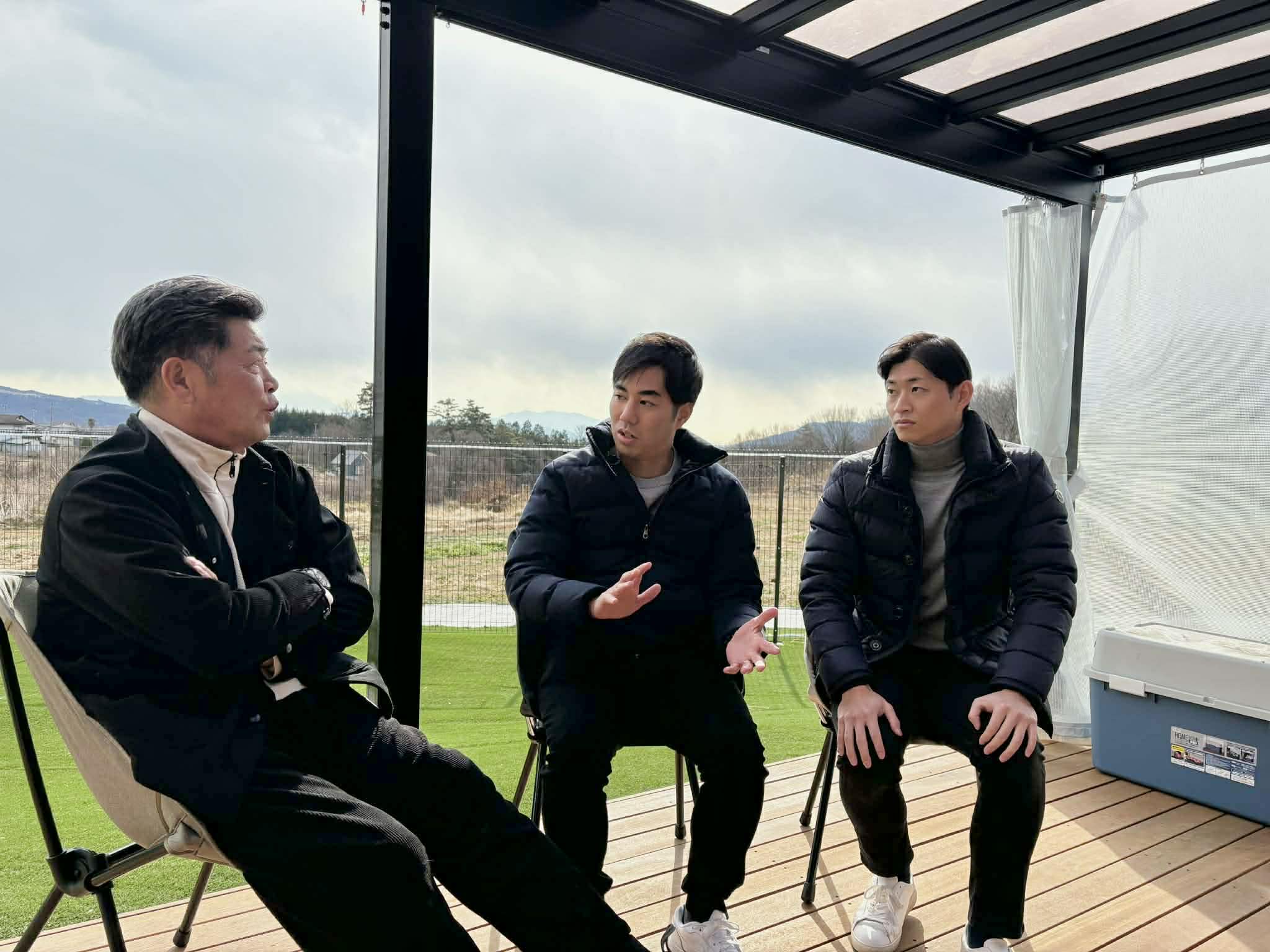
Komamiya: Between 2023 and 2024, I was involved in formulating the "Hawks Method," an initiative to systematize and articulate the Hawks' player development structure and philosophy. Through the process of interviewing various stakeholders, I truly felt that the exact philosophy you just described had thoroughly permeated the organization. As highlighted in the book The Hawks Method: How to Build a Team That Keeps Winning, during your managerial tenure, you dedicated yourself to ensuring consistency in coaching policies across the 1st to 3rd teams (currently expanded to a 4th team)—not just for pitchers, but for fielders as well. I believe this mindset serves as the very backbone of the Hawks Method.
Kudo: In my case, because I combined my own playing experience with the study of scientific evidence and proper body mechanics, I have a vast repertoire of approaches—knowing exactly "how to communicate this to trigger improvement." I am also quite adept at conveying these points, so players often transform after our conversations. However, I believed that if only I could do this—if others couldn't communicate in a way that truly resonated with the recipient—the organization could never become fundamentally strong.
Inoue: That is certainly true. Once you established those manuals as the "standard," what did you prioritize next in your organizational design?
Kudo: Communication. If you have ten people, you have ten different backgrounds and ten distinct personalities. Some individuals thrive on praise, while others use frustration as a springboard. The manual is strictly a baseline, which is why I invariably prioritize one-on-one dialogue. If you gather everyone and speak to them collectively, you will never uncover their true struggles. Furthermore, I am highly conscious of what happens after the communication. If I conveyed a message but the recipient didn't grasp it, I believe that is my fault of explaining. Therefore, if I sense the message didn't land, I hold a solitary "post-mortem" to reflect: "Was my phrasing not clear? Should I have discussed a different topic?"
Inoue: That posture of "accurately understanding the status quo and layering dialogues" is exactly what we prioritize most on the ground in consulting. We are frequently asked by corporate leaders facing organizational challenges, "What should we do first?" The one thing we consistently emphasize as the highest priority is to "accurately understand the current situation." Before searching for a magic wand, you must first face individuals one-on-one and layer those dialogues. It may seem unglamorous, but if you neglect that step, you will never uncover the organization's true bottlenecks.
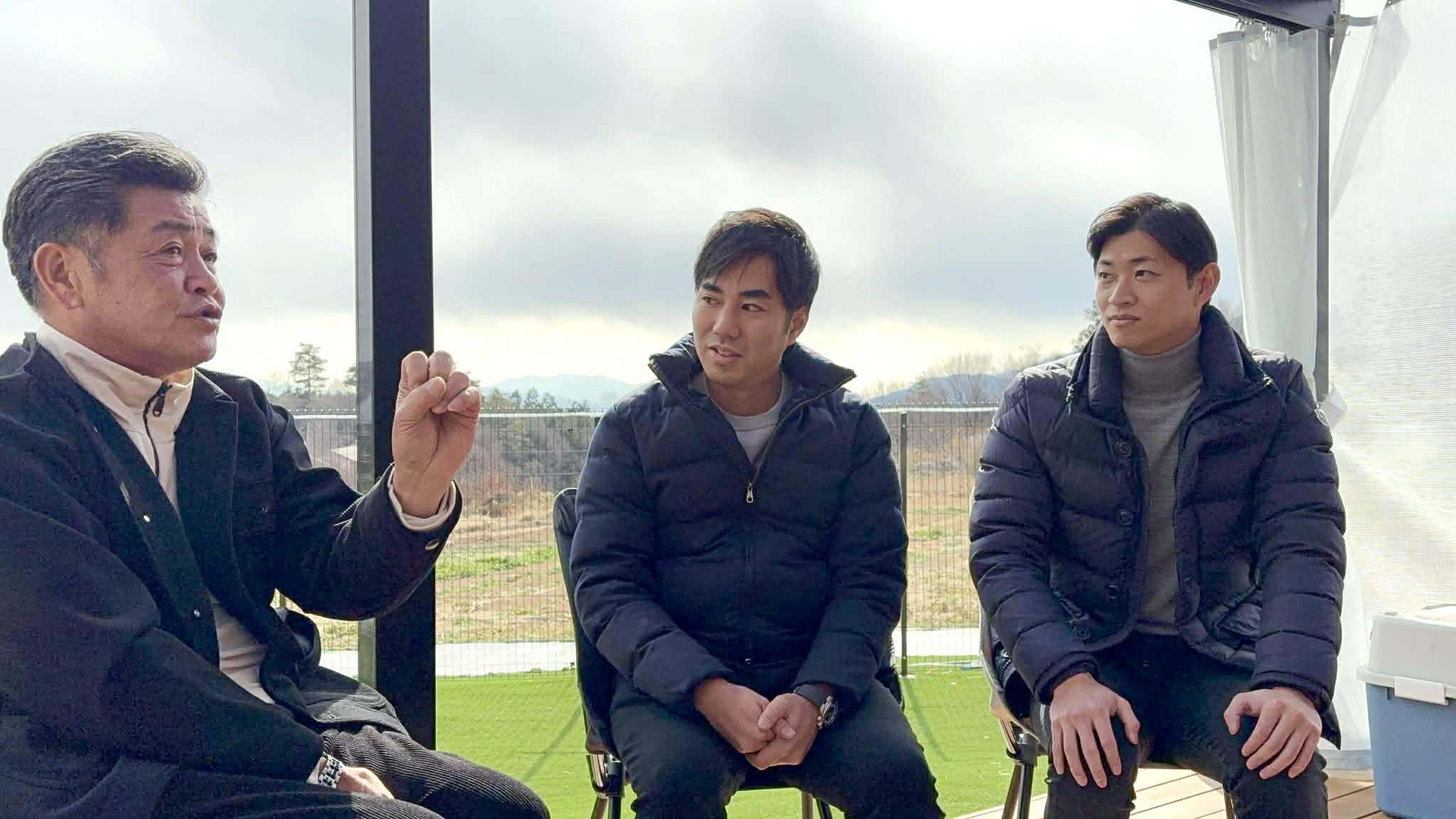
Kudo: Additionally, there is one more thing I consider crucial when communicating: visually mapping out human relationships and the content of conversations. When you do this, bottlenecks often become apparent surprisingly quickly.
For instance, when I need to have a critical conversation with a particular player, I don't just walk up and talk to them. I visually organize the entire sequence and the dynamics of the relationships: "In what order and to whom should I speak for this to go smoothly?" "Should I give a heads-up to the surrounding coaches before talking to the player?" "Should I clear it first with the person who introduced them?"
Actually, I learned this from my wife, who happens to be excellent at diagramming (haha).
Komamiya: To think that your wife's advice gave birth to the ultimate management tool!
Listening to you, I feel that visually organizing situations and the messages you want to convey closely parallels how we utilize consulting frameworks. Diagramming creates a shared understanding among everyone and prevents misalignments in communication.
Kudo: Misunderstandings are what I fear most. The phrase "But I told you this the other day" immediately alienates the player. As a leader, it is a completely unacceptable thing to say. That is precisely why it is vital to carefully assess the current situation using diagrams, clarify exactly what to say and at what timing, and then execute the communication. I believe this rigorous approach is essential for fortifying an organization.
The Blueprint for Winning: How Scenario Planning Bridges Sports and Business
Inoue: Once an ideal organizational structure is in place, what is required to actually "keep winning"? The winning methodology of the "Winning Maker" feels highly analogous to the consulting work we do to guide corporations to victory.
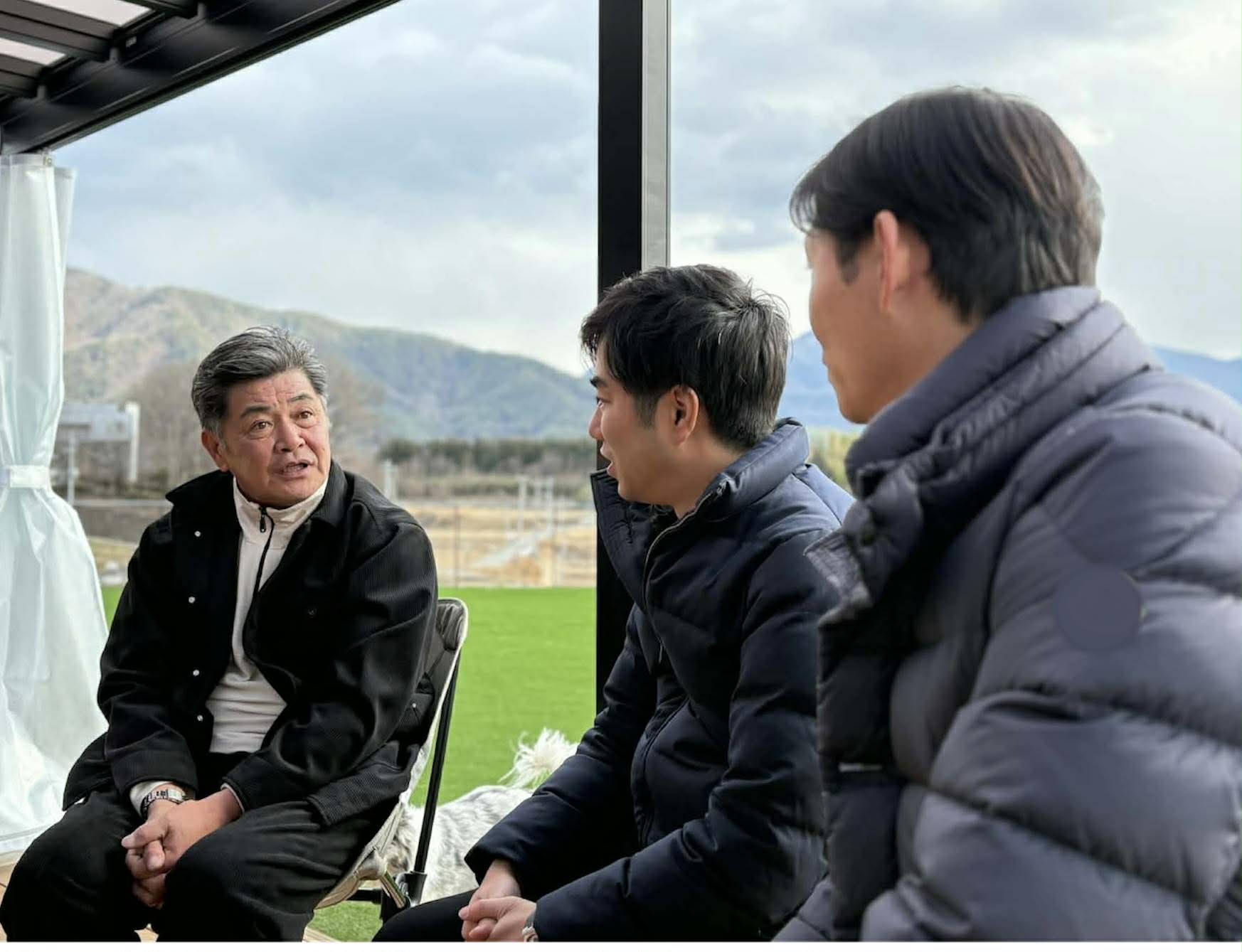
Kudo: To keep winning, I unfailingly conducted "simulations." For example, are there zero outs or one out? Where are the runners? The strategy pivots 180 degrees based on a single out or a slight shift in the situation.
Komamiya: So, because you have simulated all potential scenarios in advance, you can minimize unforeseen circumstances, and even if they do occur, you can make calm, calculated decisions.
Your competitive philosophy is exactly the concept of "scenario planning" in corporate strategy. You conduct sensitivity analysis against an uncertain future and select the scenario with the highest probability of winning—that is precisely what leads to victory. It reaffirms my belief that there is a shared "formula for winning" in both sports and business.
Based on these commonalities, there are still many challenges we want to tackle alongside you. For example, one of them is the realization of your long-held vision: a "Japanese version of Field of Dreams." You mentioned this when we first met, but could you share the passion driving this initiative once again?
Kudo: I want to create an environment that nurtures children's "power to live" (vitality and resilience) by building a baseball field right next to agricultural farmland, creating a place where kids can freely move between the two.
Today's parks in Japan are filled with restrictions—"Don't do this, don't do that." What I want to build is a sanctuary where, taking personal responsibility, they can immerse themselves in baseball, farming, and play to their heart's content. It shouldn't be an environment where adults hand them the correct answers, but rather a place where children think for themselves and continue to challenge themselves, even through failure.
Doing so, I believe, will foster the "power to live" that I hold in such high regard.
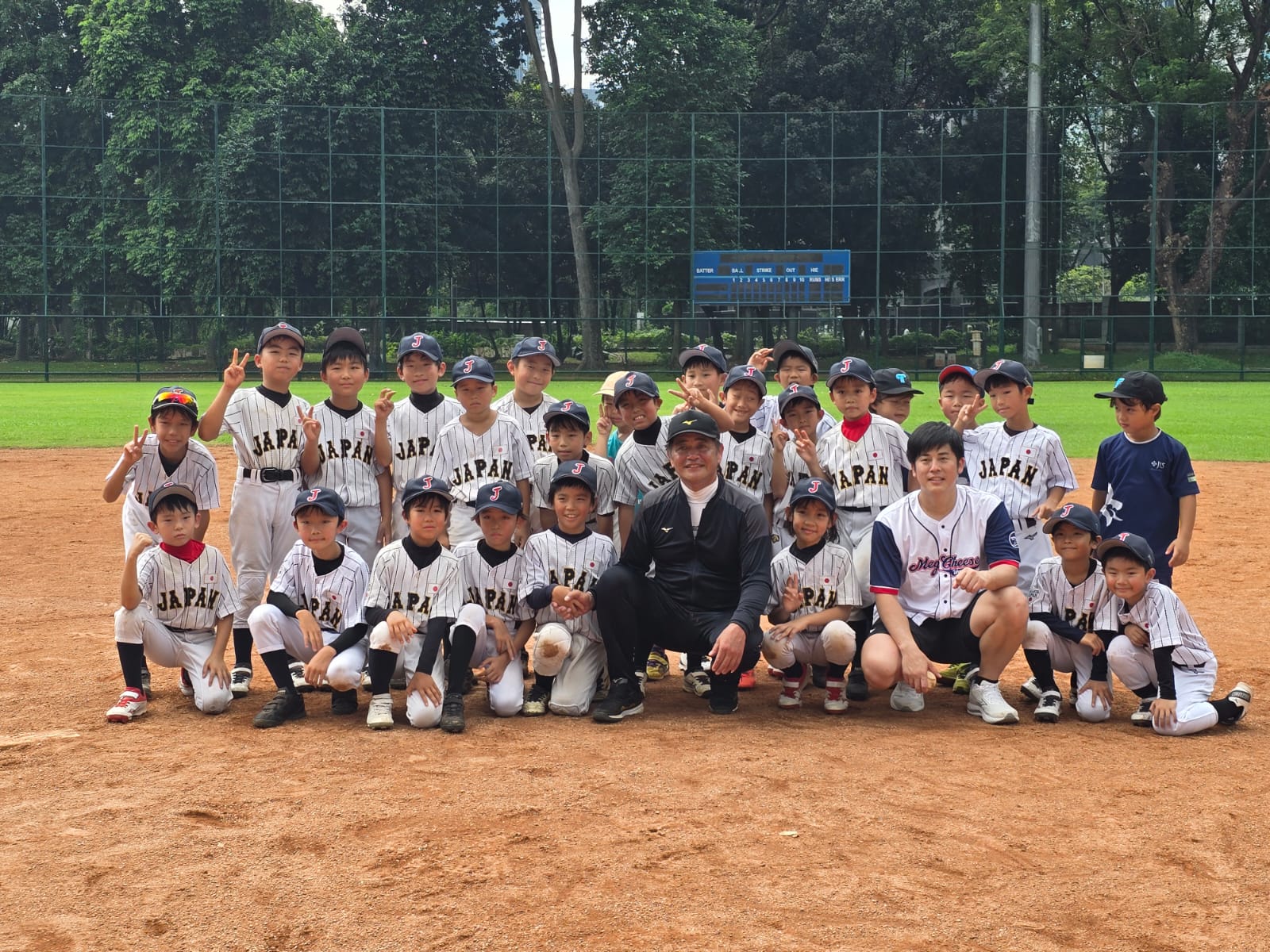
Komamiya: At SHAPE, we share the aspiration to leave behind an environment for the next generation where they can "learn and grow through genuine enjoyment." We view this as a true investment in the future, and we are determined to elevate this into an initiative that transcends the traditional boundaries of the sports business.
One of the primary drivers behind establishing SHAPE Sports as a dedicated entity was our strong conviction to actively engage in initiatives that promote the advancement of sports, extending beyond our core advisory services. Navigating the complex processes of aligning with local governments and corporate stakeholders is exactly where SHAPE intends to step in as your strategic "right-hand" to drive this vision forward.
Kudo: That is incredibly reassuring. Together with the team at SHAPE, I want to bring as many of these spaces to life as possible—sanctuaries where children can embrace challenges with smiles on their faces.
