
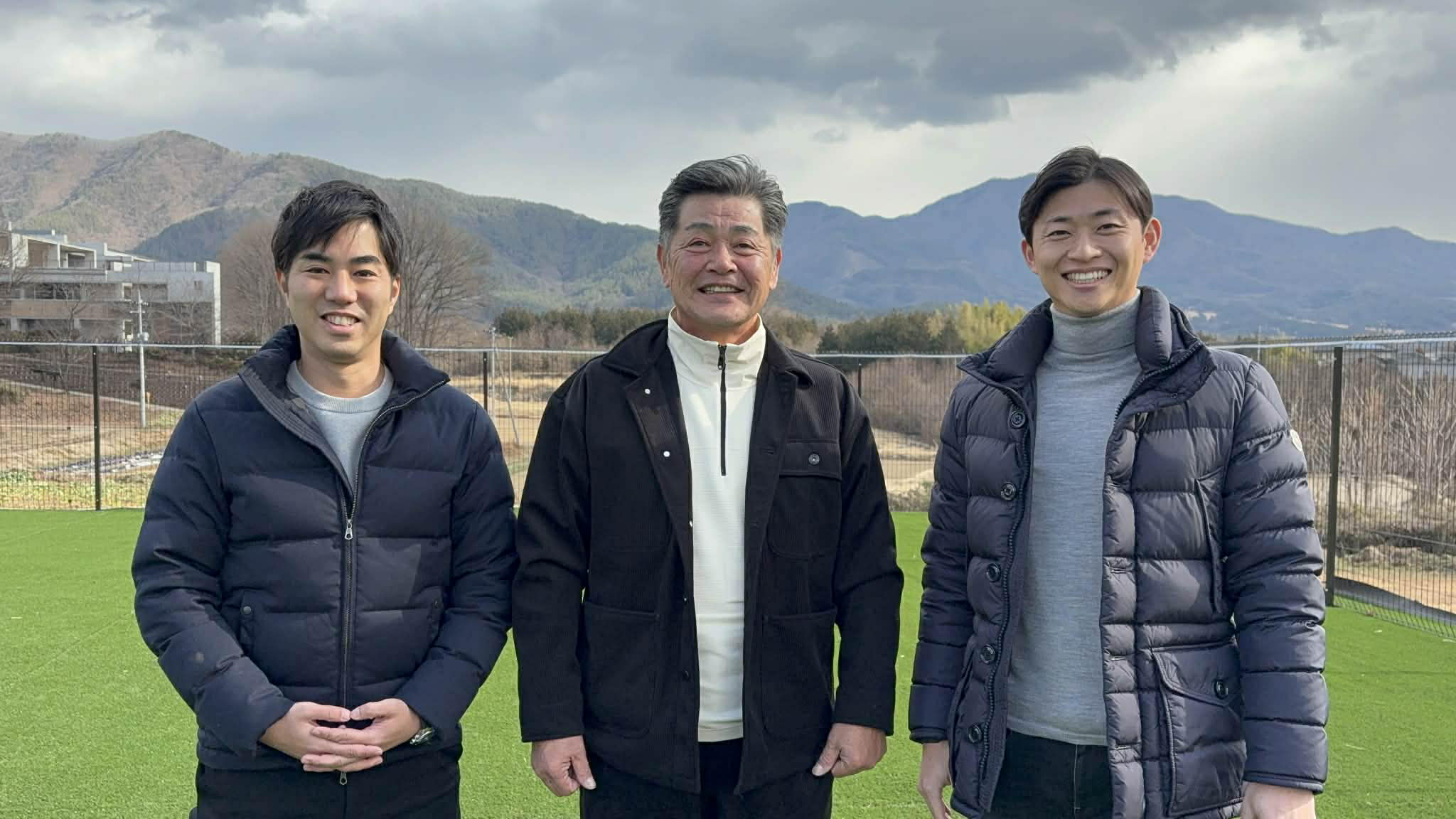
Kudo Kimiyasu x SHAPE Partners: Making Japan the Major League of Asia" — Envision a New Baseball Ecosystem
Sports
Interview
Kimiyasu Kudo / Advisor
After graduating from Nagoya Denki High School, now Aichi Institute of Technology Meiden High School, in 1982, Kudo joined Seibu Lions. He later played for teams including Fukuoka Daiei Hawks, Yomiuri Giants, and Yokohama BayStars. During his playing career, he contributed to 14 league championships and 11 Japan Series titles, earning a reputation as a championship-winning pitcher. Kudo played professionally for 29 seasons and officially announced his retirement in 2011. In 2015, he was appointed manager of Fukuoka SoftBank Hawks, leading the team to five Japan Series championships over seven seasons through 2021. His individual honors include two MVP awards, four ERA titles, and four winning percentage titles, with a total of 224 career wins. He received the Shoriki Matsutaro Award five times, tying the all-time record, and was inducted into the Japanese Baseball Hall of Fame in 2016. In 2020, while serving as manager, Kudo completed a master’s degree in physical education at the Graduate School of Comprehensive Human Sciences, University of Tsukuba. He entered the doctoral program in April 2022 and is currently conducting research and medical screening activities toward obtaining a doctorate in sports medicine. He assumed the role of Advisor at SHAPE Partners in 2024.
Takehiro Komamiya / Managing Director & COO and CEO of SHAPE Sports
Joined the firm in 2023 after working at Boston Consulting Group as a Project Leader, following his undergraduate and master’s studies at the University of Tokyo in agricultural and life sciences. He has led numerous growth strategy, business strategy, and new business development projects across sports and entertainment, media, and consumer goods. In recent years, he has overseen the firm’s sports practice and led the establishment of SHAPE Sports in 2025. During university, he played varsity baseball and later served as a student coach, and after graduation worked as a coach and assistant manager for his alma mater’s high school baseball team.
Toshiki Inoue / Principal
Previously worked at Sumitomo Corporation in the OCTG business within the steel pipe division, and at Boston Consulting Group as a Project Leader, after graduating from the School of Political Science and Economics at Waseda University. During his time at BCG, he led projects for manufacturing clients including machinery and mobility companies, covering mid-term planning, enterprise-wide transformation, growth and business strategy, new business development, and process improvement. He played varsity baseball at university, serving as both head coach and team captain, and previously competed for Yonago Higashi High School in Tottori Prefecture.
Former Fukuoka SoftBank Hawks manager Kimiyasu Kudo has continued to share his wealth of knowledge with society through agriculture and speaking engagements since stepping down from his managerial role in 2021. In 2024, Kudo assumed the position of Advisor at the strategic consulting firm SHAPE Partners.
At first glance, a "baseball legend" and "strategic consulting" might seem like polar opposites. What motivated Kudo to partner with SHAPE Partners? Through the roundtable between Kudo and SHAPE Partners, we will explore the underlying passions and the future that we aim to build together
Read Part 2 here: Kudo Kimiyasu x SHAPE Partners: Winning Maker and a Strategic Firm Uncover the Secrets of a “Winning Organization"
Unlocking Growth: Expanding the Infrastructure of Baseball in Asia
Komamiya: Our first meeting was at an Italian restaurant in Aoyama. To be honest, I was incredibly nervous at the time, knowing I was about to meet a baseball legend in person...
Kudo: I don't really see myself that way, though (haha). But from the very first time we met, the genuine love that everyone at SHAPE Partners has for baseball came across loud and clear. I've had many opportunities to collaborate with corporate professionals through one-off initiatives like company seminars or baseball clinics, but SHAPE is the first time I've been involved this deeply—sharing a "Aspiration" and working together toward a common goal.
Inoue: We have many members at SHAPE with baseball experience and big fans who possess a strong aspiration to "energize the baseball world" and "fundamentally elevate the value of sports." We are truly thrilled that you could sense that heat and passion.
Kudo: As a baseball man myself, hearing people say "I love baseball" naturally makes me happy. When it comes to human connections, the most important thing ultimately is "Aspiration," which makes me think, "I want to collaborate if something comes up." Without that shared aspiration, it's very difficult to drive initiatives forward together.
Komamiya: That "Aspiration" has become a reality through concrete projects over this past year. We have received tremendous support from you—especially in Jakarta, Indonesia, where we hosted a local baseball clinic together. You also accompanied us to meetings with sponsor companies to help realize the "Asia Koshien," an international baseball tournament for 14 to 18-year-old players across Asia.
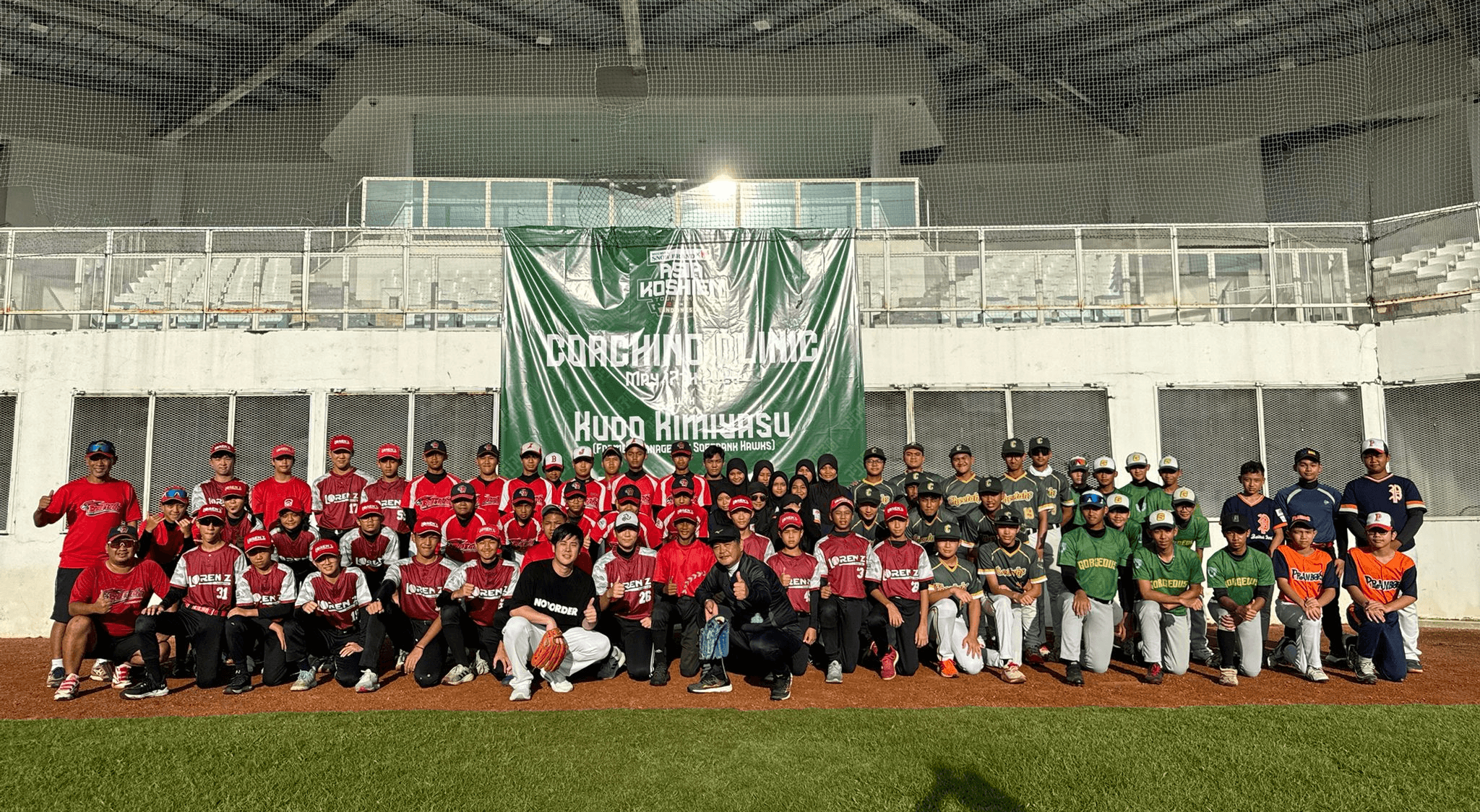
Kudo: The activities in Jakarta were incredibly refreshing. Handing out a business card titled "Advisor at SHAPE Partners" to sponsor companies was a brand-new experience I never had.
Mr. Shibata, the organizer of Asia Koshien who accompanied us and joined SHAPE Sports as Chief Sales Officer in January 2026, happens to be a junior from my high school (Aikodai Meiden). Perhaps because of that, he really kept me on my toes, saying, "Next is over there. We're eating here. I'll leave the rest to you!" (haha). But it was genuinely fun to be able to converse directly with corporate representatives like that.
Inoue: Asia Koshien is not just a promotional activity; it aims to build "baseball infrastructure" in Asia. Does this vision overlap with your own ambitions?
Kudo: Very much so. Right now, the Japanese baseball world is looking toward Major League Baseball (MLB). It is certainly the highest stage in the world, but when considering the long-term development of Japanese baseball, we need to shift our perspective.
In places like Jakarta, soccer and badminton are highly popular, and the physical capabilities of the local children are phenomenal. If we can create a cycle where these children learn baseball in Japan, succeed as professionals in Japan, and then return to their home countries, the overall level of baseball in Asia will rise dramatically.
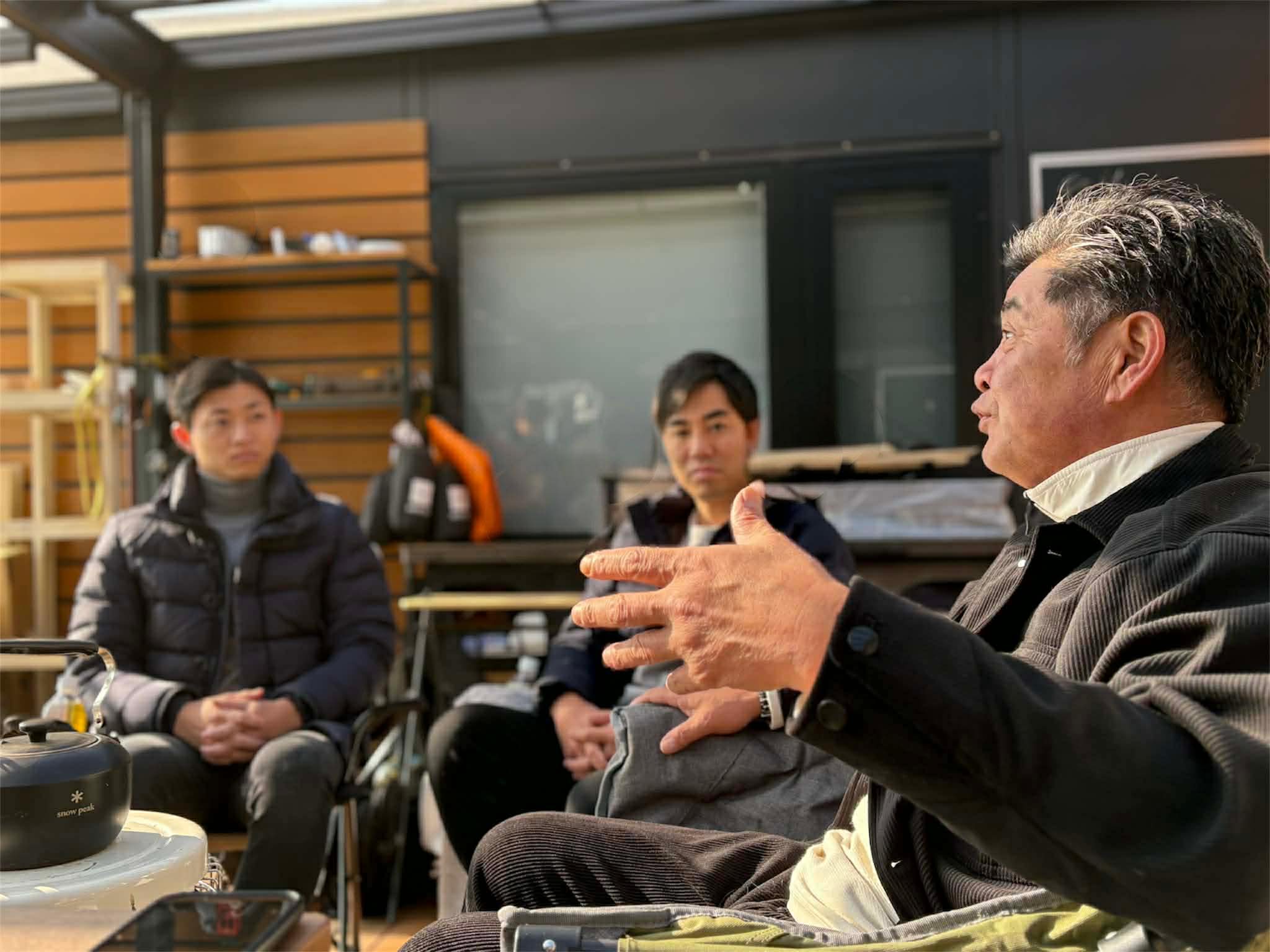
Komamiya: You believe Japan should become the equivalent of the "Major Leagues" for Asia.
Kudo: Exactly. Currently, Japanese capital flows into the MLB, but I believe we can create that same structure between Asia and Japan. For example, Nippon Professional Baseball (NPB) could establish an "Asian Quota" to accept developmental players from Asia. If a star player emerges, their games will be broadcast on local television. By doing so, baseball will spread across Asian countries, and its foundation as an industry will be solidified.
I also believe we can create a talent pipeline from Japan to Asia. For instance, dispatching retired Japanese players to various Asian countries as coaches can promote baseball locally while simultaneously supporting the players' second careers. I may not know the business in detail, but we should certainly be able to establish a system that makes economic sense.
Inoue: However, there are many challenges on the ground. Because they lack equipment locally, if we try to import it from Japan, tariffs are high. Or there simply aren't any coaches available on site...
Kudo: That's right. That is precisely why it is crucial to build the "groundwork" locally. I hear slow-pitch softball is quite popular there, and women play it too, so I'd like to expand the kind of sport starting from an accessible entry point that anyone can enjoy.
Integrating Professional Management to Drive Sustainable Stability
Inoue: Regarding organizational design, in the MLB, there are many General Managers (GMs) who come from outside industries, such as corporate executives or lawyers. However, data shows that in Japan, former professional baseball players often assume the GM role. What are your thoughts on this structure?
Kudo: To be frank, there is still a thick "wall" between the management side and the players. Even when management initiates a new policy thinking "this is the right way," it often faces pushback from players who feel, "They've never even met us, what do they know?"
Personally, when I listen to executives and management teams who are involved in business daily, I am truly amazed by how complex their organizational structures are. In baseball, you can count the roles on one hand: pitchers, fielders, managers. Yet, even corporate leaders who have successfully navigated highly complex organizations often struggle to coordinate with the field staff in baseball. I believe this is because effective measures to break down the "wall" between the two sides have not yet been established.
Komamiya: What exactly do you mean by that?
Kudo: I believe the Japanese baseball world should appoint more management professionals as GMs. Baseball players are athletes who risk their livelihoods on "today's game," whereas a GM is responsible for designing a "winning organization" with a 3-year or 5-year horizon. Individuals who have experienced business are naturally more adept at managing this long-term time horizon. However, it is absolutely essential to have a right-hand person for the GM who can bridge the gap with the field.
Komamiya: Similar to the relationship between GM Mikasa and CBO (Chief Baseball Officer) Jojima at the Hawks.
Kudo: Exactly. A leader like Mr. Mikasa, who understands the logic of the business side, makes the decisions, and a talent like Mr. Jojima—who has a proven track record and deep trust from the players—permeates that intent down to the ground level. Strategy only reflects on the field when this relationship exists.
Inoue: For Japanese baseball, we need someone like Mr. Jojima acts as the "hub" of the organization.
Kudo: Yes. Furthermore, I believe there should be multiple right-hand people who can understand the GM's intent and convey it to the entire team. Even in MLB franchises, a GM has multiple assistants, each acting as the GM's "eyes" and "ears" to absorb information from the field. Based on the gathered intelligence, the GM makes strategic and calculated decisions.
By constructing such a system, I believe teams in Japan can operate under stable management.
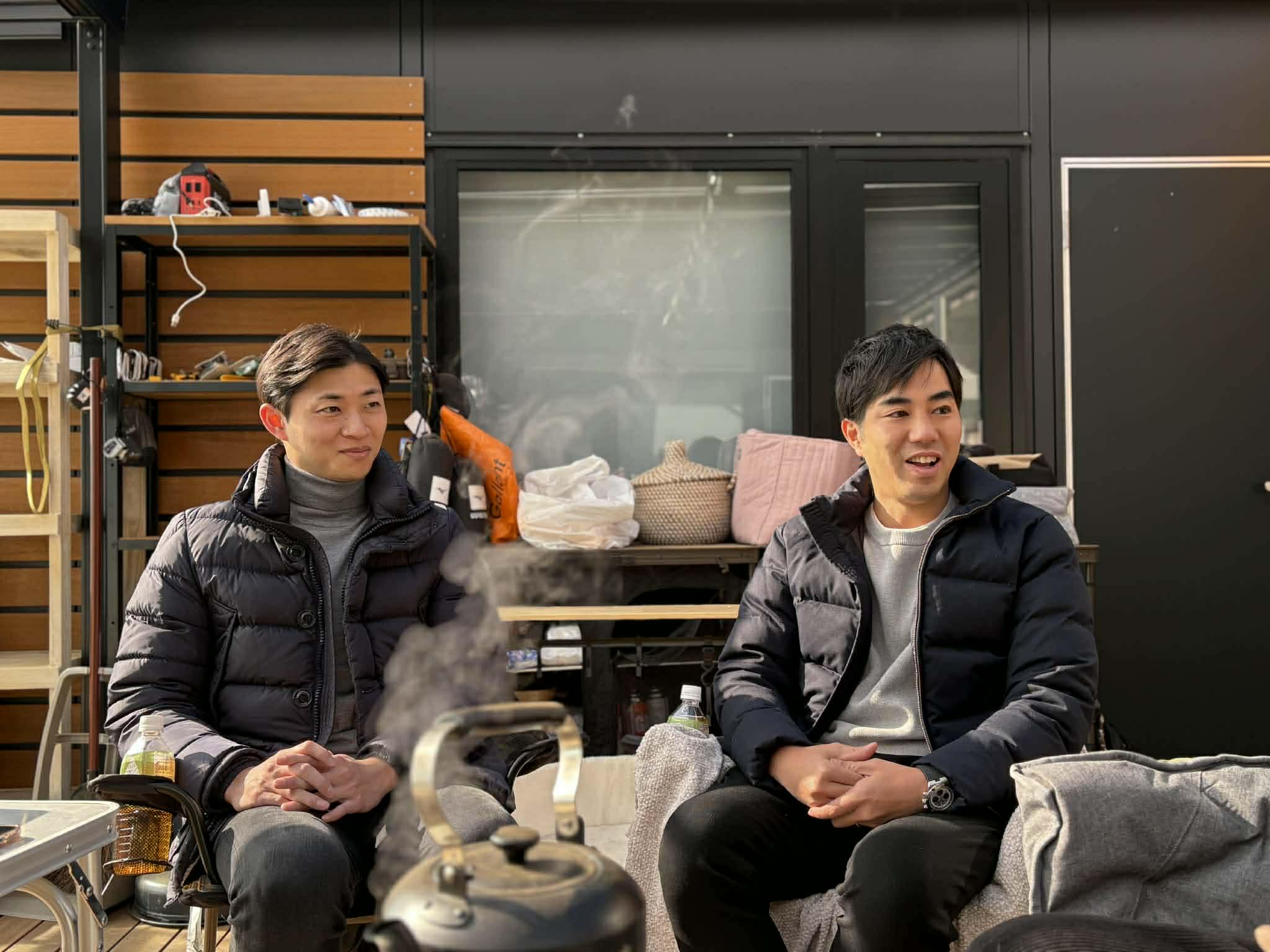
Komamiya: We also support several professional sports teams, and we feel that stabilizing management is a major challenge not just in baseball, but across all sports. That is exactly why we established SHAPE Sports last year, specializing in the sports business, driven by a desire to provide deep support.
When the foundation of management is stable, the team can boldly test new initiatives and strengthen the roster, which translates into fan enthusiasm. This, in turn, becomes the starting point of a "virtuous cycle" that generates funds for further investment. We want to create this virtuous cycle in baseball and other sports, so we would be thrilled if you could continue to provide us with your guidance and advice.
