

Sanrio and Shochiku on the Present State of Japanese Entertainment and Its Future Potential
Entertainment
Interview
Eiji Fukuda / Managing Executive Officer, Sanrio Co., Ltd.
Since joining Sanrio, he has extensively managed overseas business operations and corporate planning. Currently, he leads KPI/KGI setting, organizational design, DX, and data technology initiatives.
Yusuke Kataoka / Strategy Office, Theatrical Directing Department, Shochiku Co., Ltd.
At Shochiku, he built a diverse career across new business development, film promotion, theatrical promotion, media marketing, and HR strategy. He is currently responsible for marketing and budget control for theater and Kabuki.
Kohei Fujikuma / CEO & Founder, SHAPE Partners
Founded SHAPE Partners after working at A.T. Kearney and Boston Consulting Group. He has led numerous projects in business strategy, new business development, and marketing strategy, primarily focusing on entertainment/sports, consumer goods, healthcare, and media. He was a member of his university’s varsity baseball team.
Hinako Kitaura / Principal, SHAPE Partners
Joined SHAPE Partners from McKinsey & Company. She spearheads projects in mid-to-long-term strategy, marketing strategy, and new business development, with a core focus on entertainment, consumer goods, and retail. During her tenure at McKinsey, she also worked in the Belgium office. She currently leads SHAPE's Entertainment Practice.
Sanrio Co., Ltd. and Shochiku Co., Ltd. continue to run at the forefront of Japanese entertainment. Although "character IP" and "traditional performing arts/film" may seem like different fields at first glance, they share common strengths: "fan enthusiasm" and a "long history."
This time, Mr. Fukuda of Sanrio, Mr. Kataoka of Shochiku, who have been close relationships for 10 years since they met at the "Academy" supported by the Ministry of Economy, Trade and Industry, and Fujikuma and Kitaura of SHAPE Partners, who support the transformation of both companies as running partners, discussed the current status of Japanese entertainment and the future they should aim for.
A Fateful Encounter at the "Academy" Supported by the Ministry of Economy, Trade and Industry
Kitaura: Thank you all for joining us today! First, could you tell us what brought Fukuda-san and Kataoka-san together?
Fukuda: I first met Kataoka-san in 2015 at a business academy aimed at human resource development in the content industry, which was operated support by the Ministry of Economy, Trade and Industry. Around 20 people gathered there, who stood out even among the leading companies representing the entertainment industry. I was the oldest and Kataoka-san was the youngest among them.
Kataoka: The application guidelines said "General Manager level/Next-generation executive candidates," so although I didn't have a title at the time, I participated while wondering, "Why am I going?". The people around me were all heavy hitters from famous companies. Because I participated while carrying the sign of a company called "Shochiku" among them, the pressure was huge, and even at the time of self-introduction, the tension was tremendous.
Fukuda: Yes, indeed. Two company presidents have come out of those members today, so I think it was a gathering of gorgeous members. However, even in such a situation, Kataoka-san was more passionate and eager than anyone else since then, so much so that he did not make us feel tension or pressure. In lectures, he always sat in the front seat and raised his hand first to ask questions, and because he revitalized the place like that, I was able to meet the best friends with whom we could discuss with our real intentions regardless of age.
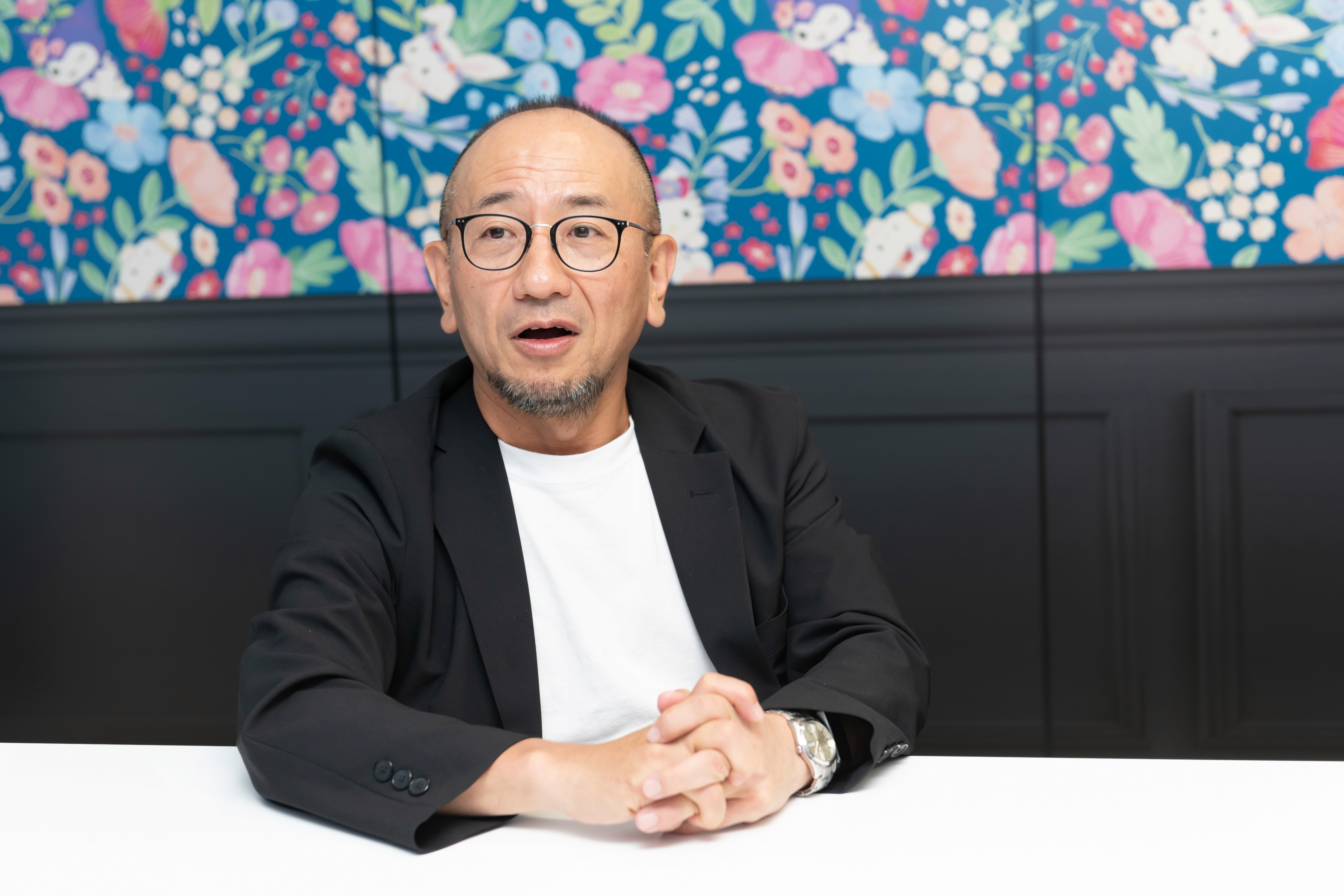
Kataoka: At that time, I was a "data person" who spent all year round doing consumer research and data analysis in the Film Strategy Office. Also, because I was the youngest, I active participated anyway to get the opinions and knowledge of various people.
Fukuda: Come to think of it, when a Sanrio executive at the time stood on the podium as a lecturer at the Academy, Kataoka-san participated after reading Sanrio's securities reports for three years.
Kataoka: That was the first time I had read another company's securities report so deeply…!
Fukuda: Not many Sanrio employees read securities reports in such detail. However, I was moved by Kataoka-san's attitude and it left an impression on me.
Before participating in the Academy, we had few connections with film companies even though we were in the same entertainment business, but we were able to share them through the Academy, and it also became an opportunity to change our own corporate stance while giving each other good influences.
From Baseball Connections to Business Partners Supporting Organizational Change
Kitaura: How did our company (SHAPE Partners) get involved in your relationship?
Fukuda: I have been close with Fujikuma-san of SHAPE since around 2010, before he went independent. At that time, I met Fujikuma-san through a Sanrio Shop profitability improvement project, and since we also had the common ground of being from the baseball team, we socialized beyond business after that.
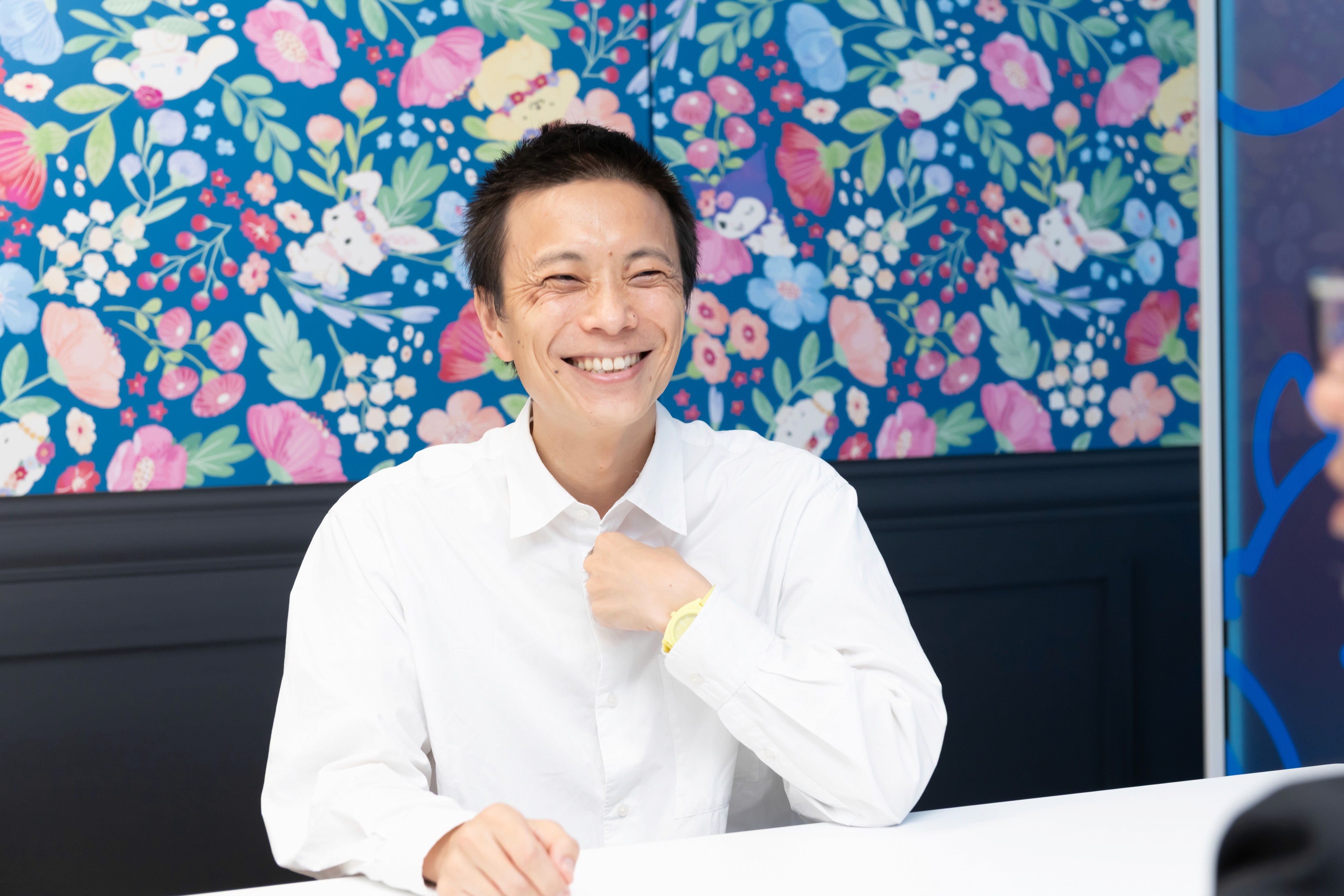
Fujikuma: When I became independent, Fukuda-san gave me the opportunity to pitch for a competition for the "Design Department," which is Sanrio's core department. This connected to where our company is today, so I am very grateful. Currently, our flexible, hands-on style and unique member composition are highly regarded, and we are working with various departments on various projects.

Fukuda: I may have been the one who made the initial connection, but before I knew it, we ended up working together on various Sanrio projects. We work not only with our company, but also with Shochiku, and it was a surprise that the counterpart was Kataoka-san.
Kataoka: Actually, there was a little incident when it was decided that Shochiku would work with SHAPE, wasn't there?
Fukuda: Yes, that's right. I had heard that Kataoka-san had transferred to HR, so when I heard from Fujikuma-san that "we are going to help Shochiku next time," I contacted him, saying, "There is the talented Kataoka-san in HR, so I will connect you." Then I got a reply from Kataoka-san saying, "Fukuda-san, I am in HR, so I will not be the counterpart for SHAPE's project."
Kataoka: But, I had just transferred to the Theater Division and became the counterpart for SHAPE's project finally. I was surprised by the unexpected development, but at the timing of promoting the marketing of traditional theater and Kabuki, I was pleased that it was some kind of fate to be able to work with SHAPE, who also has a connection with Fukuda-san.
Kitaura: I also often visited Shochiku's theaters and Sanrio Puroland since I was a student, so I remember being extremely happy when it was decided that we would work together on the project.
The Agility of the Rights Business and the Challenge of Global Expansion
Kitaura: Since two people representing Japan's leading companies are here today, I would like to talk about the Japanese entertainment industry. From the perspective of "IP" for Sanrio and "traditional performing arts/film" for Shochiku, how do you see the current strengths and challenges of Japanese entertainment?
Fukuda: Japanese anime and IP are now "Japan's largest export products representing the country." Especially in recent years, "goods" have become difficult to move due to global geopolitical and tariff risks. In this context, the "IP rights (copyright) business," which is easy to move and can adjust to the local market, is showing tremendous power.
Kitaura: Recently, Itochu has been active in handling the overseas expansion of "Opanchu Usagi" and making it into 3D anime, hasn't it?
Fukuda: Yes, it is. Recently, trading companies have also entered the market, and since they have a wide global distribution network, I think the synergy effect is high.
Kataoka: Shochiku has also performed Kabuki overseas since ancient times, but to be honest, when asked "Have we been monetizing it sustainably on a business basis?" there are still many things we can do and possibilities for establishing a business overseas, and the current situation is that we are trying to challenge ourselves.
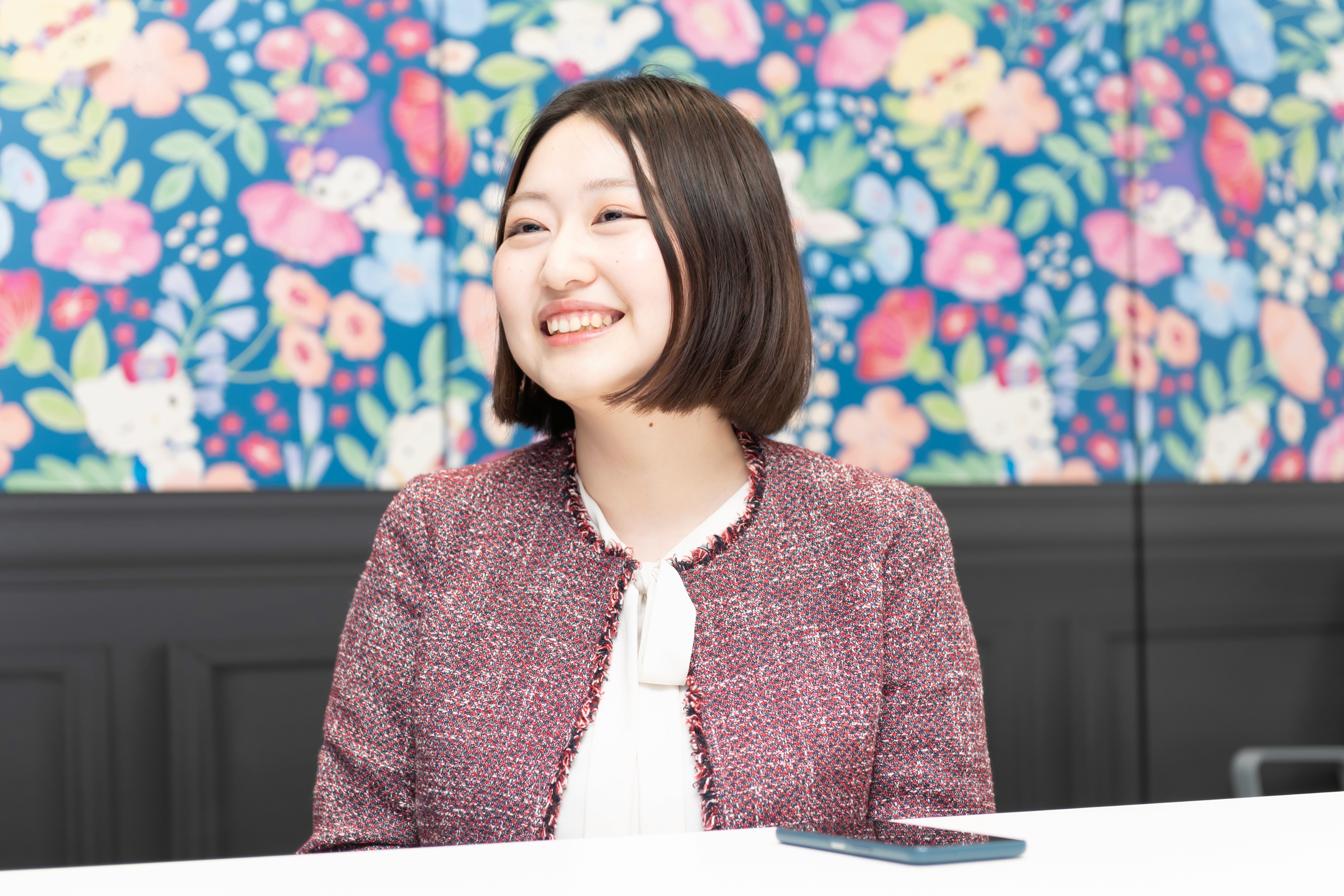
Kitaura: I lived in Europe when I was at my previous job, and I routinely saw people wearing Japanese anime T-shirts there. However, I feel that the gateway to sublimating that into a "real entertainment experience" and a "sustainable business" can still be widened.
Kataoka: I think the good thing about entertainment is that it is unlikely to become a "scramble for a limited pie" like manufacturers. As with Fukuda-san, there is a spirit of exchanging information within the entertainment industry to "liven up the entire industry together," so we would be happy if we could learn from Sanrio, which has succeeded in global expansion, how to draw a growth strategy and how to transform through collaboration with external partners like SHAPE.
The Value of "Real Entertainment" That Shines Precisely Because of the Digital Peak
Kitaura: While digitization such as the rise of generative AI and the metaverse is progressing, I feel that both of you have a strong belief in the "live experience."
Fukuda: Because we have entered the age of AI, the value of "things handmade by actual humans," which is the opposite of "automation that anyone can do," is exploding. It is the same as how luxury analog watches were re-evaluated after digital watches became widespread in the watch world.
Kataoka: Kabuki and live performances are exactly the peak of that. The trend that was once said to have "gone to the metaverse" is now completely reversing. Value is concentrated on immersive experiences in theaters and movie theaters where you don't touch your smartphone for several hours, and "fresh live performances that can only be experienced at that moment" like the WBC.
Fukuda: Currently, the cheapest seat for the American NBA (basketball) is about 100,000 yen. Even so, local people pay millions of yen for entertainment. LBE (*), which has the "excitement of seeing the real thing" and the "passion of sharing the physical experience," will be the main player in the future. The reason why Sanrio is focusing on real experiences such as Puroland and why Shochiku continues to protect theater is because it will be the strongest weapon in the coming era.
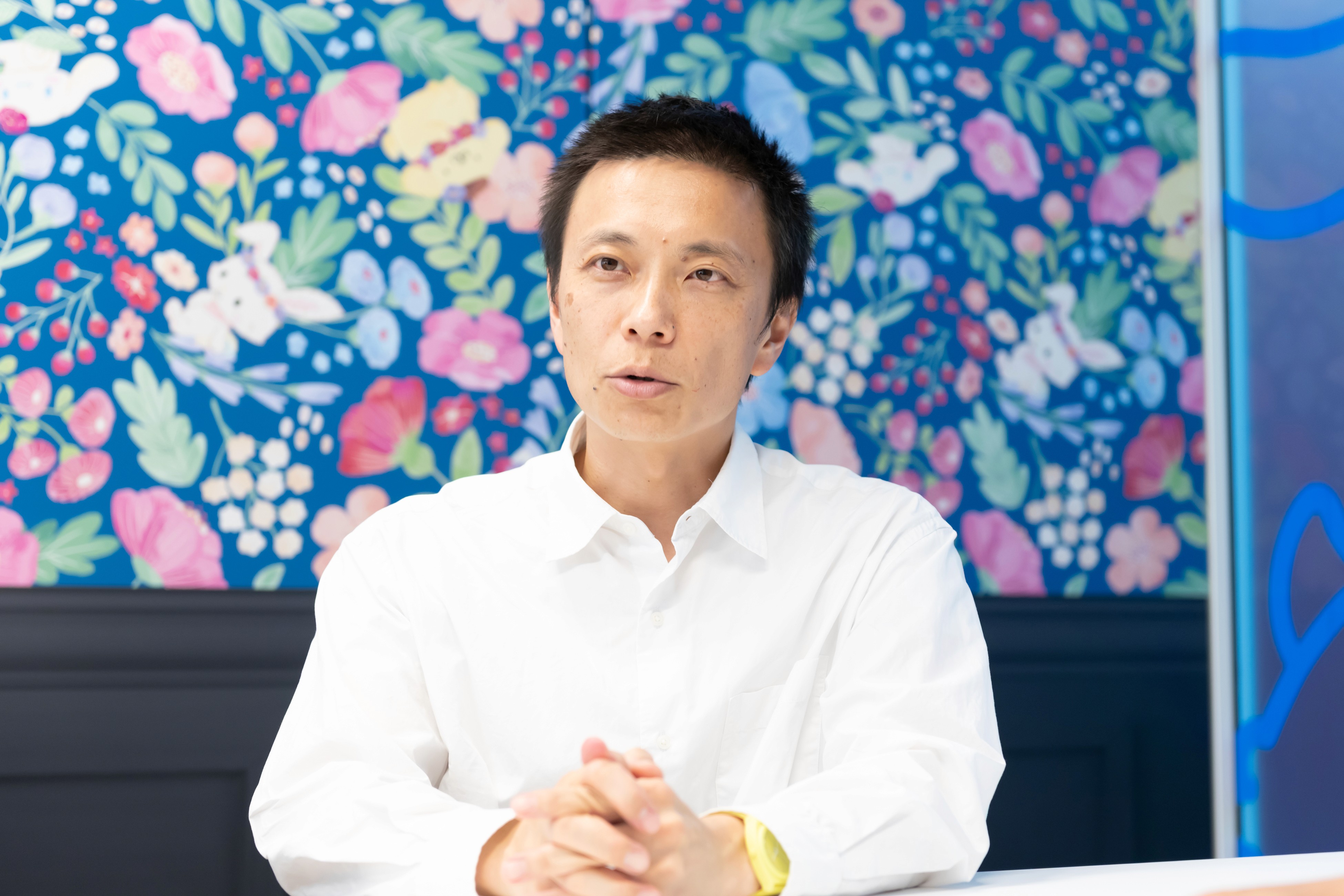
Kataoka: As Fukuda said, Kabuki, which is also a type of live performance, actually fits modern "Oshi-katsu" (supporting your favorite idols/actors) incredibly well. Kabuki actors make their first stage debut around age 5 and continue to perform on stage as active actors even in their 80s. In other words, it is a ultra-high LTV (lifetime value) entertainment that is rare in the world, where you can "keep supporting one favorite actor for 80 years over three generations of parents and children."
Kitaura: Kabuki is the grand ancestor of Oshi-katsu continuing from the Edo period, and being able to watch an actor's growth over decades and enjoy the relationships between actors is a unique strength of Kabuki that cannot be found elsewhere.
Kataoka: Currently, Shochiku has introduced the "Kabukiza U30 Same-day Half-price Ticket (half price on the day for those 30 and under)" to strengthen our approach to the younger generation. As a new cup for those who are doing "Oshi-katsu" for anime, 2.5D stages, idols, etc., I would like to make a proposal, "Why don't you support Kabuki next?"
Activation of Japanese Entertainment, a Future Envisioned in 5-10 Years
Kitaura: Finally, please tell us your prospects for the future looking ahead to the next 5 or 10 years.
Kataoka: As Shochiku (Theater), young Kabuki actors in their 20s and 30s are currently extremely productive. The goal for the next 5 or 10 years is to create fan flows and systems so that people of the same generation can easily come to see them and walk through life together with them until they turn 80. I myself am looking forward to their success and think the future is bright.
Fukuda: Sanrio steered toward being a "comprehensive entertainment company" and established a global structure. Our characters have an extremely high "ability to adapt to change." They melt into their respective local areas such as America, China, and Southeast Asia, and we will increase the "Sanrio time" where children around the world can touch Sanrio and smile in all kinds of situations.
And what I want to do as an individual is "to digitize Sanrio's culture into a digital asset."
Kitaura: Assetization of culture, is it?
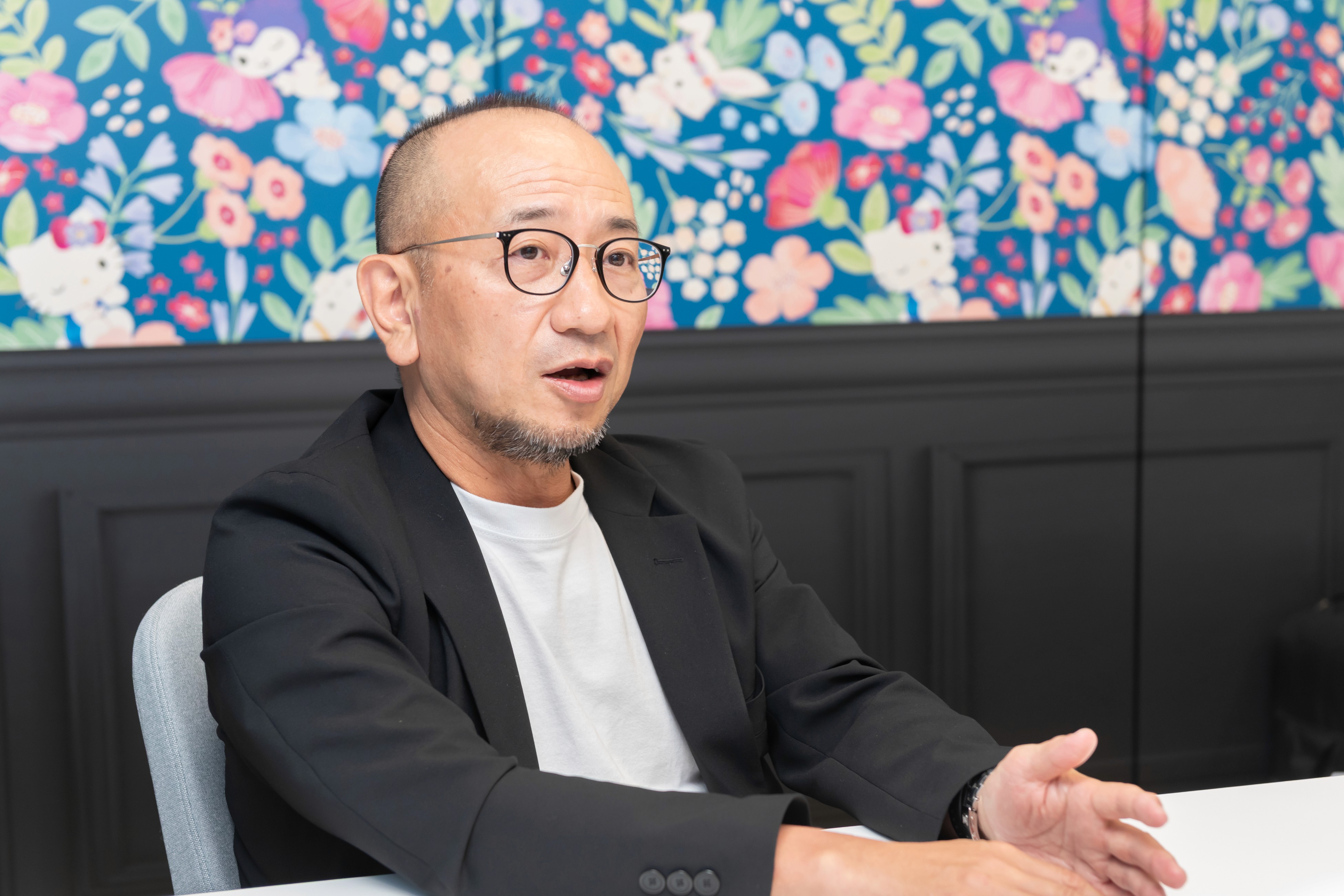
Fukuda: As the company rapidly expanded and career hires and new graduates increased, more than one-third of the members did not know the "past period when performance was sluggish and difficult." At a time when there is a risk of diluting Sanrio's history and culture, I want to preserve the history of what our seniors valued, not by relying on the memories of "storytellers," but by making them learn using some AI and keeping it as a company asset. This is one of the things I want to accomplish during my active years.
Kataoka: From my experience in HR, what people who support the entertainment industry have in common is "a passion for liking it to the point of being irrational." Just having their name on the film's end credits blows away all the muddy hardships, and they can work hard in a muddy way again from tomorrow. Since I believe that the entire industry will improve if people with such passion gather, I would like to make this an industry that appears attractive to such people.
Fujikuma: I was stimulated again by your hot thoughts. We, SHAPE Partners, would be happy if we could continue to work with you to contribute to your companies and the Japanese entertainment industry. Thank you very much for today!
*LBE = Location-Based Entertainment. Entertainment that can be experienced by going to a certain location, such as theme parks, musical shows, and mobile indoor amusement parks.
